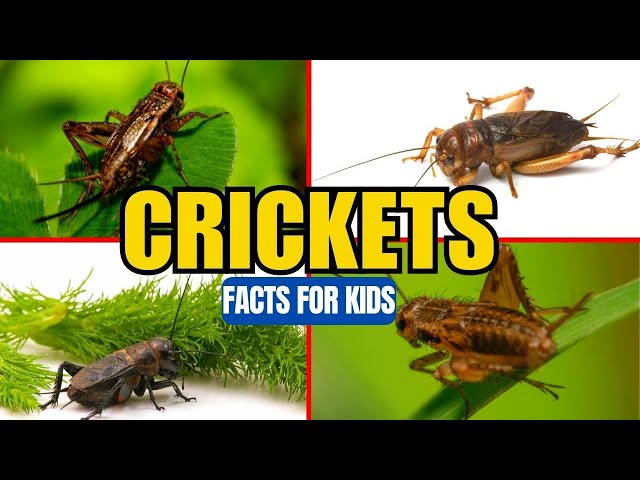


These omnivorous insects consume a wide variety of organic matter, displaying a preference for specific food sources based on availability and nutritional content. This diverse diet allows them to thrive in various environments, from damp basements to outdoor gardens. Understanding their dietary preferences is crucial for managing populations, whether for breeding purposes or pest control. This knowledge also provides insights into their role within the ecosystem as decomposers and a food source for other animals.
For instance, they readily consume decaying plant material, contributing to nutrient cycling. They also exhibit cannibalistic tendencies, particularly in overcrowded conditions or when other food sources are scarce. This behavior highlights the adaptability of their diet and their ability to survive even in challenging circumstances.
6 things house crickets like eat most
Fruits, particularly soft, ripe varieties, are a favored food source for house crickets. The sugars provide a readily available energy source, while the moisture content contributes to hydration. Overripe bananas, apples, and berries are particularly attractive, offering a convenient and nutritious meal.
Vegetables, especially leafy greens, provide essential vitamins and minerals. Spinach, lettuce, and kale are often consumed with enthusiasm. These greens offer crucial nutrients that support growth and overall health in crickets.
Grains, including oats, wheat, and rice, are a valuable carbohydrate source. These foods provide sustained energy and are often included in commercial cricket feed. The complex carbohydrates in grains contribute to a balanced diet.
Commercial cricket food, formulated to meet their nutritional needs, is a convenient and complete dietary option. These specially designed pellets or flakes typically contain a blend of grains, proteins, and essential nutrients. Using commercial food ensures a balanced diet for optimal health and growth.
Decaying plant matter, such as fallen leaves and rotting wood, serves as an important food source in their natural habitat. This contributes to the ecosystem by breaking down organic material and recycling nutrients. This role as decomposers highlights their ecological importance.
Insects, both dead and alive, are occasionally consumed by house crickets. This cannibalistic behavior is more prevalent in situations of overcrowding or limited resources. While not their primary food source, insect consumption can provide a valuable protein boost.
Meat scraps, while not a natural part of their diet, can be consumed by house crickets. Small pieces of cooked meat or fish provide a concentrated source of protein. However, offering meat scraps should be done sparingly to avoid dietary imbalances.
Pet food, particularly dry dog or cat food, can be an appealing food source. The high protein and carbohydrate content can provide a substantial meal. However, similar to meat scraps, pet food should be offered in moderation to prevent nutritional issues.
Breadcrumbs, offering a readily available source of carbohydrates, can be consumed by house crickets. While not the most nutritious option, breadcrumbs can provide a quick energy boost. However, offering breadcrumbs should be limited to avoid potential digestive problems.
Seeds, such as sunflower seeds and pumpkin seeds, are a good source of fats and proteins. These can be a valuable addition to their diet, providing essential nutrients for growth and reproduction. Offering a variety of seeds can contribute to a well-rounded diet.
Important Points
-
Balanced Diet:
Providing a variety of food sources is essential for maintaining healthy cricket populations. A diverse diet ensures they receive all the necessary nutrients for growth, reproduction, and overall well-being. This includes a mix of carbohydrates, proteins, fats, vitamins, and minerals.
-
Fresh Water:
Access to fresh, clean water is crucial for cricket survival. Water should be provided in a shallow dish with marbles or cotton balls to prevent drowning. Hydration is essential for all bodily functions and overall health.
-
Food Placement:
Food should be placed in easily accessible locations within the enclosure. This ensures all crickets have equal access to food and reduces competition. Proper food placement promotes a healthy and thriving environment.
-
Regular Cleaning:
Uneaten food should be removed regularly to prevent mold growth and maintain a hygienic environment. A clean enclosure reduces the risk of disease and promotes the overall health of the cricket population.
-
Overfeeding:
Avoid overfeeding, as this can lead to food spoilage and attract pests. Providing the appropriate amount of food based on the population size is crucial for maintaining a clean and healthy environment.
-
Nutritional Needs:
Understanding the specific nutritional needs of crickets is essential for providing a balanced diet. Researching their dietary requirements ensures they receive the appropriate nutrients for optimal health and growth.
-
Variety:
Offering a variety of foods helps prevent nutritional deficiencies and ensures a well-rounded diet. This variety also caters to the individual preferences of crickets within a population.
-
Observation:
Regularly observing the crickets’ feeding habits can provide insights into their dietary preferences and overall health. This observation can help identify potential nutritional deficiencies or health issues early on.
-
Supplements:
Consider adding calcium and vitamin supplements to their diet, especially for breeding crickets. These supplements support healthy growth, reproduction, and strong exoskeletons.
-
Commercial Food:
Commercial cricket food can be a convenient and complete dietary option, providing a balanced mix of essential nutrients. This option simplifies the process of ensuring a nutritious diet for cricket populations.
Tips and Details
-
Optimal Temperature:
Maintaining an appropriate temperature range is crucial for cricket health and digestion. A temperature between 70-80F is generally ideal for most cricket species. Proper temperature regulation supports optimal metabolic function and overall well-being.
-
Humidity Levels:
Maintaining appropriate humidity levels within the enclosure is important for preventing dehydration. A humidity level around 40-60% is generally recommended for house crickets. Proper humidity prevents desiccation and supports healthy molting.
-
Gut Loading:
Gut loading crickets with nutritious foods before feeding them to other animals ensures the prey animals receive optimal nutrition. This practice involves feeding the crickets a nutrient-rich diet for a period before they are consumed.
-
Food Rotation:
Rotating food sources helps prevent nutritional deficiencies and keeps the crickets interested in their meals. Offering a variety of foods ensures a balanced intake of essential nutrients.
-
Avoid Toxic Foods:
Certain foods, such as avocado and chocolate, are toxic to crickets and should be avoided. Researching safe and appropriate food options is crucial for maintaining cricket health.
Understanding the dietary needs of house crickets is crucial for anyone keeping them, whether for pet food, scientific research, or as pets themselves. Proper nutrition contributes to their overall health, longevity, and reproductive success. A well-fed cricket is a healthy cricket.
Their preference for a varied diet reflects their adaptability and ability to thrive in various environments. This adaptability makes them a resilient species, capable of surviving in a range of conditions. Their dietary flexibility contributes to their ecological success.
By providing a diverse and nutritious diet, cricket keepers can ensure their populations remain healthy and vibrant. This includes offering a mix of fruits, vegetables, grains, and commercial cricket food. A balanced diet supports optimal growth and reproduction.
Regular monitoring of food consumption and waste removal helps maintain a clean and hygienic environment. This prevents the buildup of harmful bacteria and mold, promoting a healthy living space for the crickets. Cleanliness is key to preventing disease and maintaining a thriving cricket population.
Observing the crickets’ behavior and feeding habits can provide valuable insights into their overall well-being. Changes in appetite or activity levels can indicate potential health issues or nutritional deficiencies. Regular observation allows for early detection and intervention.
Providing fresh, clean water is just as important as providing food. Dehydration can lead to various health problems and even death. Access to water is essential for survival and overall well-being.
The role of house crickets as decomposers in the ecosystem highlights their importance in nutrient cycling. By consuming decaying organic matter, they contribute to the breakdown of organic material and the release of nutrients back into the environment. This role plays a crucial part in maintaining ecological balance.
While cannibalism is a natural behavior in crickets, it can become more prevalent in overcrowded conditions or when food is scarce. Managing population density and ensuring adequate food availability can help mitigate this behavior. Maintaining a balanced environment is essential for minimizing cannibalism.
Understanding the dietary preferences and nutritional needs of house crickets is essential for responsible and successful cricket keeping. This knowledge contributes to the well-being of these fascinating insects and supports their role within the ecosystem. Proper care and management ensure a thriving and healthy cricket population.
FAQ
John: How often should I feed my crickets?
Professional: Crickets should be fed small amounts of food daily, removing any uneaten portions to prevent spoilage and mold growth. This ensures a constant supply of fresh food while maintaining a clean environment.
Sarah: Can I give my crickets water in a bowl?
Professional: While a shallow dish with marbles or cotton balls is recommended to prevent drowning, specially designed cricket waterers can also be used to provide a safe and accessible water source. These waterers prevent crickets from falling in and drowning while ensuring access to hydration.
Ali: What should I do if my crickets aren’t eating?
Professional: Loss of appetite can indicate various issues, including incorrect temperature, humidity, or illness. Check the enclosure conditions and consult with a veterinarian or entomologist if the problem persists. Identifying the underlying cause is crucial for addressing the issue effectively.
Maria: Can I feed my crickets table scraps?
Professional: While some table scraps can be offered in moderation, it’s crucial to avoid processed foods, sugary items, and anything potentially toxic to crickets. Sticking to a balanced diet of fruits, vegetables, grains, and commercial cricket food is generally recommended. This ensures they receive the appropriate nutrients without risking exposure to harmful substances.
David: How can I tell if my crickets are getting enough nutrients?
Professional: Healthy crickets are active, have a firm exoskeleton, and reproduce regularly. Signs of nutritional deficiency can include lethargy, slow growth, and difficulty molting. Regular observation and providing a varied diet are key to ensuring they receive adequate nutrition.
Emily: How can I prevent my crickets from escaping their enclosure?
Professional: Secure enclosures with tight-fitting lids are essential for preventing escapes. Applying a thin layer of petroleum jelly around the top edge of the enclosure can also deter climbing and prevent crickets from escaping. Regularly inspecting the enclosure for any gaps or weaknesses is also recommended.
Youtube Video: