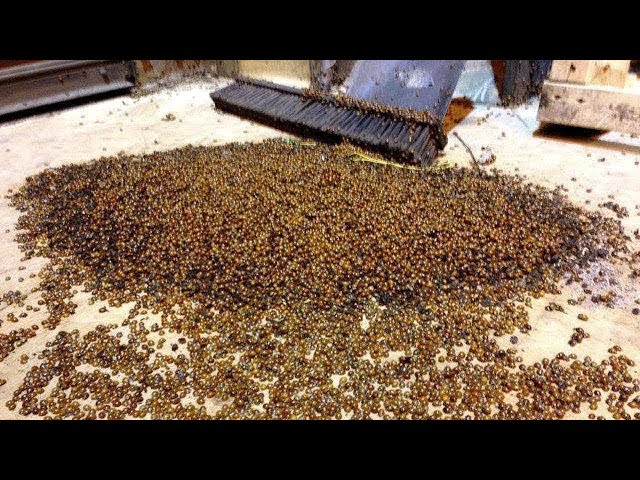


Kentucky homes, like residences in many other states, offer shelter to a variety of small invertebrates. These creatures often seek food, water, and a stable environment, especially during periods of extreme weather. While many are harmless, some can be considered pests due to their potential to cause damage or spread disease. Understanding these common inhabitants can help homeowners take preventative measures and manage infestations effectively. Proper identification is the first step in addressing any potential issues.
Common House Bugs in Kentucky
Ants are frequent intruders, attracted to food crumbs and sugary substances. Several species, including pavement ants, odorous house ants, and carpenter ants, are prevalent throughout the state. Carpenter ants, in particular, can cause structural damage by nesting in wood. Their colonies can grow quite large, necessitating professional pest control in some cases.
Spiders are another common sight in Kentucky homes. While most are harmless and even beneficial by preying on other insects, some species like the brown recluse and black widow can pose a health risk. These spiders prefer dark, undisturbed areas and should be treated with caution. Their bites can require medical attention.
Cockroaches, particularly the German and American cockroach, are unwelcome guests known for their resilience and rapid reproduction. They thrive in warm, humid environments and can contaminate food and surfaces. Effective cockroach control often requires a multi-pronged approach, including sanitation and targeted insecticide use.
Flies, including house flies, fruit flies, and drain flies, are drawn to decaying organic matter. They can be a nuisance and also spread bacteria. Proper sanitation and eliminating breeding sites are crucial for controlling fly populations.
Silverfish are small, wingless insects that prefer damp areas like bathrooms and basements. They feed on carbohydrates, including paper and glue, and can damage books and other belongings. Reducing humidity and sealing cracks can help deter silverfish.
Centipedes and millipedes are often found in damp areas outdoors and occasionally make their way indoors. Centipedes are predators of other insects, while millipedes primarily feed on decaying plant matter. While generally harmless, their presence can be unsettling.
Stored product pests, such as beetles and moths, infest pantries and cupboards, feeding on grains, flour, and other dry goods. Properly storing food in airtight containers is essential to prevent infestations.
Termites, while not technically insects, are a significant structural pest in Kentucky. Subterranean termites are the most common type and can cause extensive damage to wooden structures. Regular inspections and preventative treatments are recommended.
Important Points to Consider
-
Identification:
Accurate identification of the pest is crucial for effective control. Different species require different treatment methods. Misidentification can lead to wasted time and resources. Consulting a pest control professional can help with accurate identification.
-
Prevention:
Preventing infestations is often easier than eliminating them. Regular cleaning, sealing cracks and crevices, and proper food storage can significantly reduce pest populations. Maintaining a clean and dry environment is key.
-
Treatment:
Various treatment options are available, ranging from DIY methods to professional pest control services. The appropriate method depends on the pest, the severity of the infestation, and the homeowner’s preferences. Always follow product instructions carefully.
-
Safety:
When using pesticides, prioritize safety by following label instructions and taking necessary precautions. Store pesticides out of reach of children and pets. Consider using natural or low-toxicity options whenever possible.
-
Professional Help:
For severe infestations or when dealing with potentially dangerous pests, contacting a qualified pest control professional is recommended. They have the expertise and equipment to handle the situation effectively and safely. Professional help can save time and prevent further damage.
-
Monitoring:
Regular monitoring for pest activity is essential, even after treatment. This helps to detect and address any recurring infestations promptly. Early detection can prevent small problems from becoming major ones.
-
Environment:
Consider the environmental impact of pest control methods. Choose eco-friendly options whenever possible to minimize harm to beneficial insects and the surrounding environment. Sustainable pest control practices are becoming increasingly important.
-
Local Regulations:
Be aware of local regulations regarding pesticide use. Some areas may have restrictions on certain chemicals. Check with local authorities or environmental agencies for specific guidelines. Compliance with regulations is crucial.
Tips for Managing Household Pests
-
Seal Entry Points:
Seal cracks and crevices in walls, foundations, and around windows and doors to prevent pests from entering. Use caulk or weather stripping to effectively seal gaps. This can significantly reduce pest entry.
-
Eliminate Food Sources:
Clean up spills and crumbs promptly, store food in airtight containers, and regularly empty trash cans to eliminate food sources that attract pests. Proper food storage is crucial for pest control. This denies pests access to sustenance.
-
Reduce Moisture:
Fix leaky pipes, ensure proper ventilation in bathrooms and kitchens, and use dehumidifiers to reduce moisture levels that attract pests. Many pests thrive in humid environments. Controlling moisture can deter them.
-
Maintain Landscaping:
Keep vegetation trimmed away from the foundation of the house to reduce harborage areas for pests. Remove debris and leaf litter regularly. This creates a barrier between the house and potential pests.
-
Regular Inspections:
Regularly inspect your home for signs of pest activity, such as droppings, nests, or damage. Early detection can prevent infestations from becoming severe. Pay close attention to areas where pests are commonly found.
Understanding the lifecycle of common pests can help in implementing targeted control measures. For instance, knowing where insects lay their eggs can help in eliminating breeding sites.
Different seasons can bring different pest pressures. Being aware of seasonal pest activity can help homeowners prepare and take preventative measures.
Integrated pest management (IPM) strategies emphasize a holistic approach, combining various methods for long-term pest control.
Proper ventilation and air circulation can help reduce humidity and deter moisture-loving pests. This is especially important in basements and crawl spaces.
Outdoor lighting can attract insects, which can then find their way indoors. Using yellow or sodium vapor lights can minimize this attraction.
Store firewood away from the house to prevent pests like termites and carpenter ants from gaining access to the structure.
Regularly cleaning gutters and downspouts can help prevent water accumulation, which can attract pests.
Pet food can attract insects. Store pet food in sealed containers and clean up spilled food promptly.
Consider using natural pest control methods, such as diatomaceous earth or essential oils, as alternatives to chemical pesticides.
Frequently Asked Questions
John: What are the signs of a termite infestation?
Professional: Signs of a termite infestation can include mud tubes on foundation walls, discarded wings near windows or doors, and hollow-sounding wood. It’s crucial to contact a pest control professional for a thorough inspection if you suspect termite activity.
Sarah: How can I prevent ants from entering my kitchen?
Professional: Clean up food spills and crumbs immediately, store food in airtight containers, and seal any cracks or crevices where ants might enter. Regularly wiping down countertops and sweeping floors can also help.
Ali: Are all spiders dangerous?
Professional: While most spiders are harmless and even beneficial, some species like the brown recluse and black widow can be dangerous. Its best to treat all spiders with caution and avoid handling them directly. If bitten by a spider, seek medical attention if necessary.
Maria: What is the best way to get rid of cockroaches?
Professional: Effective cockroach control typically requires a multi-pronged approach, including sanitation, bait stations, and potentially insecticide treatments. A pest control professional can assess the infestation and recommend the most effective strategy.
David: How often should I have my home inspected for pests?
Professional: It is generally recommended to have your home inspected for pests annually. However, if you live in an area with high pest pressure or have experienced previous infestations, more frequent inspections may be necessary.
Youtube Video: