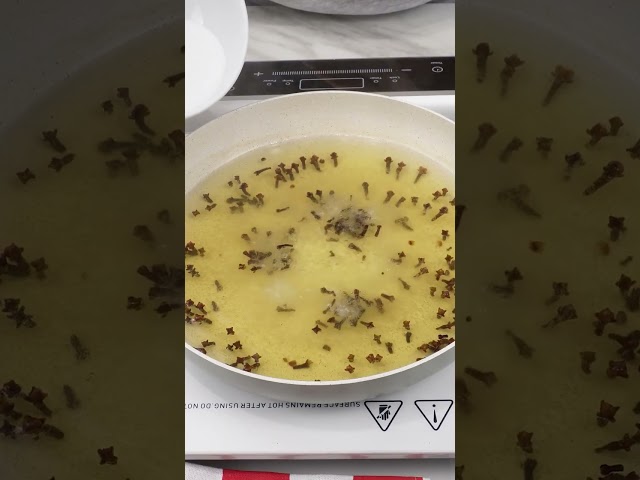


Eliminating these buzzing pests is crucial for maintaining a hygienic environment and preventing the spread of diseases. Flies can contaminate food surfaces and transmit pathogens, posing a health risk. Effective fly control requires a multi-faceted approach, addressing both the immediate presence of flies and the underlying conditions that attract them. Understanding the fly life cycle and their preferred breeding grounds is essential for long-term success in fly management.
For instance, a home with uncovered garbage bins can become a breeding ground for flies. Similarly, restaurants and food processing facilities must implement rigorous fly control measures to comply with health regulations and ensure food safety. These measures often include physical barriers like screens, traps, and sanitation practices to eliminate breeding sites.
how to get rid of flies
The first step in effective fly control is identifying the source of the infestation. This often involves inspecting areas where flies are commonly found, such as near garbage bins, decaying organic matter, and stagnant water. Once the breeding sites are identified, they should be thoroughly cleaned and sanitized to eliminate fly eggs and larvae. Regular cleaning and proper waste management are crucial for preventing future infestations.
Physical barriers, such as screens on windows and doors, can prevent flies from entering the premises. These barriers should be properly installed and maintained to ensure their effectiveness. Additionally, sealing cracks and crevices in walls and around pipes can further restrict fly entry points. Regular inspections and repairs are essential to maintaining a fly-free environment.
Fly traps can be an effective tool for capturing adult flies. Various types of traps are available, including sticky traps, UV light traps, and bait traps. The choice of trap depends on the specific environment and the severity of the infestation. Traps should be placed strategically in areas where flies are most active.
Insecticides can be used to kill adult flies and their larvae. However, it’s essential to choose insecticides that are safe for use around humans and pets. Follow the instructions on the label carefully and consider using natural insecticides as a safer alternative. Proper ventilation is crucial when using insecticides indoors.
Maintaining a clean environment is paramount in fly control. Regularly cleaning surfaces, especially in kitchens and dining areas, removes food debris and spills that attract flies. Properly storing food in sealed containers prevents flies from accessing it. Promptly disposing of garbage and keeping bins tightly sealed is also crucial.
Eliminating standing water is essential, as it provides breeding grounds for flies. Empty and clean containers that collect water, such as flower pots, buckets, and birdbaths. Repair leaky faucets and ensure proper drainage around the property to prevent water accumulation. Regularly inspect for and address any potential breeding sites.
Natural repellents can be used to deter flies. Certain essential oils, such as citronella, lavender, and peppermint, are known to repel flies. These oils can be diffused in the air or applied to surfaces. Planting herbs like basil and mint around the house can also help repel flies naturally.
Professional pest control services can be beneficial for severe infestations or recurring fly problems. Pest control professionals have the expertise and equipment to identify and eliminate fly breeding sites effectively. They can also provide advice on preventative measures and implement long-term fly control strategies.
Consistent implementation of these measures is key to successful fly control. Regular monitoring and adjustments to the fly control strategy are essential to maintain a fly-free environment. By addressing the root causes of the infestation and implementing preventative measures, long-term fly control can be achieved.
Important Points to Consider
- Identify Breeding Sites: Locating and eliminating fly breeding sites is the first step in effective fly control. This involves inspecting areas where flies are commonly found, such as garbage bins, decaying organic matter, and stagnant water. Thorough cleaning and sanitation of these areas are crucial for removing fly eggs and larvae. Regular inspections and cleaning are essential for preventing future infestations.
- Physical Barriers: Installing screens on windows and doors can effectively prevent flies from entering the premises. These barriers should be properly fitted and maintained to ensure their effectiveness. Sealing any cracks or gaps in walls and around pipes can further restrict fly entry points, preventing infestations.
- Fly Traps: Utilizing fly traps can be a highly effective method for capturing adult flies. Various types of traps are available, each designed to attract and capture flies using different mechanisms. Placing traps strategically in areas where flies are most active can significantly reduce their population.
- Insecticides: Insecticides can be used to eliminate both adult flies and their larvae. However, careful selection and application are crucial to ensure the safety of humans and pets. Always follow the instructions on the label and prioritize natural insecticides whenever possible. Proper ventilation is essential when using insecticides indoors.
- Sanitation: Maintaining a clean environment is paramount in fly control. Regular cleaning of surfaces, particularly in food preparation and consumption areas, removes food debris and spills that attract flies. Proper food storage and prompt garbage disposal are also essential for preventing infestations.
- Eliminate Standing Water: Standing water serves as a breeding ground for flies, making its elimination crucial. Regularly emptying and cleaning containers that collect water, such as flower pots and buckets, can prevent fly breeding. Repairing leaky faucets and ensuring proper drainage are also essential steps.
- Natural Repellents: Natural repellents, such as certain essential oils like citronella and lavender, can effectively deter flies. These oils can be diffused in the air or applied to surfaces to repel flies. Planting herbs like basil and mint around the house can also provide a natural deterrent.
- Professional Pest Control: For severe or recurring fly infestations, seeking professional pest control services can be highly beneficial. Pest control experts possess the knowledge and tools to effectively identify and eliminate breeding sites. They can also provide tailored advice on preventative measures and implement long-term control strategies.
- Consistent Implementation: Consistent implementation of preventative measures and control strategies is key to long-term success in fly management. Regular monitoring and adjustments to the approach are essential to maintain a fly-free environment. Diligence in these practices will significantly reduce the likelihood of future infestations.
- Integrated Pest Management (IPM): Adopting an Integrated Pest Management (IPM) approach combines various fly control methods for a more comprehensive and sustainable solution. IPM focuses on prevention, monitoring, and targeted interventions, minimizing the use of chemical pesticides. This holistic approach is more effective and environmentally friendly.
Tips for Preventing Flies
- Keep Garbage Bins Sealed: Ensure garbage bins are tightly sealed to prevent flies from accessing food waste and breeding. Regularly clean the bins to eliminate any residue that might attract flies. Consider using compost bins for organic waste, which can be managed effectively to minimize fly attraction.
- Clean Spills Promptly: Clean up food spills and crumbs immediately to eliminate food sources that attract flies. Regularly wipe down kitchen counters, tables, and other surfaces where food is prepared or consumed. This practice significantly reduces the attractiveness of the environment to flies.
- Store Food Properly: Store food in airtight containers to prevent flies from accessing it. This is especially important for fruits, vegetables, and other perishables. Proper food storage not only prevents fly infestations but also maintains food freshness and hygiene.
- Maintain Clean Drains: Regularly clean drains to remove organic matter that can attract flies. Use drain cleaners or baking soda and vinegar to eliminate build-up and prevent fly breeding. Keeping drains clean is an essential step in maintaining a hygienic environment and preventing fly infestations.
- Repair Screens: Repair any holes or tears in window and door screens to prevent flies from entering. Regularly inspect screens for damage and replace them as needed. Well-maintained screens provide an effective barrier against flies and other insects.
Understanding the fly life cycle is crucial for effective fly control. Flies undergo a complete metamorphosis, progressing from egg to larva, pupa, and finally, adult. By targeting each stage of the life cycle, control measures can be more effective. This knowledge helps in implementing appropriate strategies for each stage, maximizing the impact of control efforts.
Different fly species have varying preferences for breeding sites. House flies, for instance, are attracted to decaying organic matter, while fruit flies are drawn to fermenting fruits and vegetables. Identifying the specific fly species present helps in targeting control measures more effectively. Tailoring the approach to the specific species ensures greater success in eliminating the infestation.
The temperature and humidity levels significantly influence fly activity and breeding. Flies are most active in warm weather and thrive in humid environments. Controlling these environmental factors can help reduce fly populations. Maintaining appropriate ventilation and temperature control can create an environment less conducive to fly activity.
Outdoor sanitation plays a vital role in fly control. Properly managing compost piles, pet waste, and other organic materials can minimize fly breeding sites. Regular cleaning and maintenance of outdoor areas are crucial for preventing fly infestations. These practices create a less attractive environment for flies, reducing the likelihood of infestations.
Commercial establishments, particularly those handling food, require stringent fly control measures. Implementing comprehensive fly management programs is essential for complying with health regulations and ensuring food safety. These programs often involve a combination of physical barriers, traps, sanitation practices, and professional pest control services.
The use of fly swatters and other mechanical methods can be effective for controlling small numbers of flies. However, these methods are less practical for larger infestations. While useful for immediate removal of individual flies, they are not a sustainable solution for large-scale infestations.
Educating individuals about proper sanitation and fly control practices is essential for community-wide fly management. Raising awareness about the importance of fly control can help reduce fly populations and prevent the spread of diseases. Community involvement and collaborative efforts can significantly impact fly control effectiveness.
Regular monitoring and evaluation of fly control measures are crucial for long-term success. Tracking fly populations and assessing the effectiveness of control strategies allow for adjustments and improvements. This ongoing evaluation ensures that control measures remain effective and adapt to changing conditions.
By implementing a comprehensive and integrated approach to fly control, individuals and communities can effectively manage fly populations and maintain a hygienic environment. Combining various methods and addressing the underlying causes of infestations are key to long-term success in fly management. Consistent efforts and proactive measures are essential for achieving and maintaining a fly-free environment.
Frequently Asked Questions
John: How can I prevent flies from entering my home through open windows?
Professional: Installing screens on your windows is the most effective way to prevent flies from entering while still allowing for ventilation. Ensure the screens are properly fitted and free of holes or tears. Consider using fine mesh screens for enhanced protection against smaller insects.
Sarah: What are some natural ways to repel flies?
Professional: Certain essential oils, such as citronella, lavender, and peppermint, are known to repel flies. You can diffuse these oils in the air or apply them to surfaces. Planting herbs like basil and mint around your home can also naturally deter flies.
Ali: What should I do if I have a severe fly infestation?
Professional: For severe fly infestations, it’s best to contact a professional pest control service. They have the expertise and equipment to identify and eliminate breeding sites effectively and can implement a comprehensive fly management plan.
Maria: How often should I clean my garbage bins to prevent flies?
Professional: Cleaning your garbage bins at least once a week, or more frequently during hot weather, can help prevent fly infestations. Regular cleaning removes food residue and odors that attract flies, minimizing the likelihood of breeding.
David: Are there any health risks associated with flies?
Professional: Yes, flies can pose significant health risks. They can contaminate food surfaces and transmit various pathogens, leading to foodborne illnesses. Effective fly control is crucial for maintaining a hygienic environment and preventing the spread of diseases.
Youtube Video: