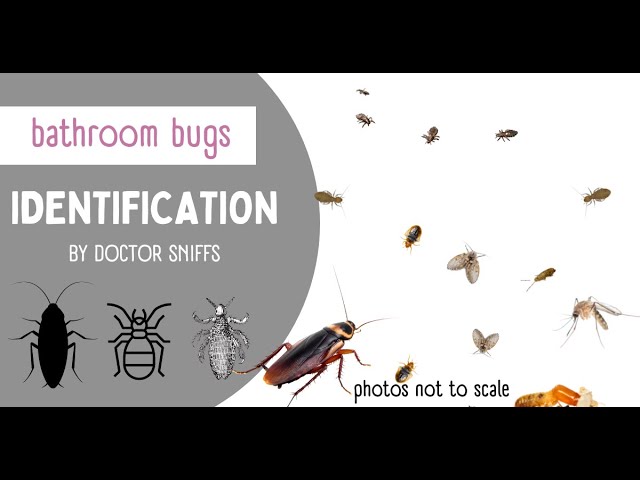


Small arthropods and insects often infest humid, warm environments with access to moisture and organic matter. These creatures can range from harmless nuisance pests to those that can potentially spread bacteria or cause structural damage. Proper identification is crucial for effective control and prevention. Understanding their habits and preferred habitats is the first step in managing their presence.
bugs that live in your bathroom
Silverfish are small, wingless insects with a silvery, metallic appearance. They thrive in damp, dark areas and feed on carbohydrates, including book bindings, wallpaper paste, and even dead skin cells. Their presence often indicates excess moisture.
Drain flies, also known as moth flies, are small, fuzzy flies often found near drains. They breed in the organic matter that accumulates in drains. Their presence often signals a need for drain cleaning.
Cockroaches, while not exclusive to bathrooms, can be attracted to the warmth and moisture. They are known carriers of disease and can contaminate surfaces with bacteria. Their presence requires immediate action and often professional pest control.
Booklice, despite their name, are not true lice. They feed on mold and mildew, often found in damp areas like bathrooms. Their presence suggests a moisture problem that needs addressing.
Spiders are common bathroom inhabitants, seeking out insects for food. While most are harmless, some species can be venomous. Regular cleaning and pest control can help minimize their presence.
Centipedes, with their numerous legs, are predators that feed on other insects. They are attracted to damp areas where their prey is abundant. While their appearance can be unsettling, they can help control other pest populations.
Ants, especially those seeking moisture, can be found in bathrooms. They are attracted to spills and standing water. Proper sanitation and sealing cracks can help prevent infestations.
Carpet beetles, while more commonly found in carpets, can also infest bathrooms, feeding on organic debris. Regular vacuuming and cleaning can help control their populations.
House crickets, attracted to warmth and moisture, can occasionally find their way into bathrooms. They are primarily nuisance pests, but their chirping can be disruptive.
Pillbugs, also known as roly-polies, are crustaceans that prefer damp environments. They feed on decaying organic matter and are generally harmless.
Important Points
- Identification: Accurate identification of the specific pest is crucial for effective treatment. Different pests require different control methods, and misidentification can lead to ineffective solutions. Knowing what you’re dealing with allows for targeted and efficient removal.
- Moisture Control: Excess moisture is the primary attractant for many bathroom pests. Repairing leaks, ensuring proper ventilation, and wiping down surfaces after use can significantly reduce infestations. A dry environment is less hospitable to many common bathroom pests.
- Sanitation: Regularly cleaning the bathroom, including scrubbing drains and toilets, removes food sources and breeding grounds for pests. This simple step can greatly reduce the likelihood of an infestation. Keeping the bathroom clean eliminates organic debris that attracts insects.
- Sealing Entry Points: Cracks and gaps in walls, floors, and around pipes provide entry points for pests. Sealing these openings can prevent them from entering the bathroom. This preventative measure can significantly reduce the number of pests.
- Professional Pest Control: For severe infestations, professional pest control services may be necessary. They have the expertise and tools to effectively eliminate pests and prevent future infestations. Professionals can identify the source of the problem and implement targeted solutions.
- Regular Inspections: Regularly inspecting the bathroom for signs of pests can help catch infestations early. Early detection allows for quicker intervention and prevents the problem from escalating. Regular checks can help identify potential problems before they become major infestations.
- Natural Repellents: Certain natural substances, such as essential oils, can repel some pests. While not always as effective as chemical treatments, they can offer a more eco-friendly alternative. Researching effective natural repellents can provide safer pest control options.
- Proper Ventilation: Ensuring adequate ventilation helps reduce humidity and moisture buildup, making the bathroom less attractive to pests. Proper airflow can significantly deter moisture-loving insects. Installing or improving ventilation systems can make a significant difference.
- Food Storage: Avoid storing food items in the bathroom, as this can attract pests. Even small crumbs or spills can provide a food source for insects. Keeping food out of the bathroom eliminates a potential attractant.
Tips and Prevention
- Clean Regularly: Wipe down surfaces, scrub toilets and showers, and mop floors regularly to eliminate food sources and breeding grounds. This simple step can significantly reduce the presence of pests. Regular cleaning disrupts the life cycle of many insects.
- Fix Leaks Promptly: Repair any leaks in pipes or fixtures immediately to prevent moisture buildup. Leaks provide a constant source of water that attracts many pests. Addressing leaks quickly prevents a hospitable environment for insects.
- Ventilate Properly: Use exhaust fans or open windows to reduce humidity and moisture. Proper ventilation makes the bathroom less attractive to moisture-loving pests. Air circulation helps dry out the bathroom and prevents mold growth.
- Seal Cracks and Gaps: Seal any cracks or gaps in walls, floors, and around pipes to prevent pests from entering. This creates a barrier against insects and prevents them from accessing the bathroom. Sealing entry points is a crucial preventative measure.
- Empty Trash Regularly: Empty trash cans frequently to eliminate food waste that can attract pests. This removes a potential food source and breeding ground for insects. Regular trash removal helps maintain a clean and hygienic environment.
Understanding the life cycle of common bathroom pests can inform effective control strategies. Knowing how they reproduce and develop allows for targeted interventions at vulnerable stages.
Different pest species have varying levels of tolerance to different insecticides. Choosing the right insecticide for the specific pest is crucial for effective control. Using the wrong product can be ineffective and even harmful.
Integrated pest management strategies combine various control methods for a more holistic approach. This can include preventative measures, natural repellents, and targeted insecticide use. A comprehensive approach offers the best long-term solution.
The presence of certain pests can indicate underlying issues in the bathroom, such as plumbing problems or structural damage. Addressing these underlying issues is crucial for long-term pest control. Ignoring these issues can lead to recurring infestations.
Professional pest control services can offer customized treatment plans based on the specific needs of the home. They can assess the situation and recommend the most effective solutions. Professional expertise can save time and money in the long run.
Preventing pest infestations is often more cost-effective than treating existing infestations. Implementing preventative measures can save time, money, and hassle in the long run. Proactive measures can minimize the need for reactive treatments.
Regular cleaning and maintenance are essential for preventing pest infestations. This includes cleaning drains, wiping down surfaces, and emptying trash regularly. Consistent cleaning efforts create an environment less conducive to pests.
Educating oneself about common bathroom pests and their habits can empower homeowners to take effective control measures. Knowledge is key to preventing and managing infestations. Understanding pest behavior allows for informed decision-making.
Different regions may have different prevalent bathroom pests. Understanding the local pest population can help tailor control strategies. Local knowledge can inform more effective pest management practices.
Seasonal changes can also influence pest activity. Being aware of seasonal trends can help anticipate and prevent infestations. Adjusting pest control strategies based on the season can maximize effectiveness.
Frequently Asked Questions
John: How can I prevent drain flies?
Professional: Drain flies breed in organic matter that accumulates in drains. Regularly cleaning drains with a drain cleaner or a mixture of baking soda and vinegar can help eliminate their breeding grounds. Pouring boiling water down the drain can also help kill larvae. Additionally, ensuring proper drain function and preventing clogs can minimize the accumulation of organic material.
Sarah: What is the best way to get rid of silverfish?
Professional: Silverfish thrive in damp environments. Reducing moisture levels in the bathroom by fixing leaks, using exhaust fans, and wiping down surfaces can deter them. Diatomaceous earth, a natural powder, can be sprinkled in areas where silverfish are active. It dehydrates them and can be an effective control method. Sticky traps can also be used to capture them.
Ali: Are centipedes dangerous?
Professional: While centipedes can bite, most species found in bathrooms are not dangerous to humans. Their bites are typically no more severe than a bee sting. However, some individuals may have an allergic reaction. Centipedes are actually beneficial in controlling other pest populations, as they prey on insects.
Maria: How often should I clean my bathroom to prevent pests?
Professional: Regular cleaning is crucial for pest prevention. Aim to clean your bathroom at least once a week, including scrubbing toilets, showers, and sinks. Wiping down surfaces after each use can help prevent moisture buildup and discourage pests. Regularly emptying trash cans and cleaning drains can also help minimize attractants.
Youtube Video: