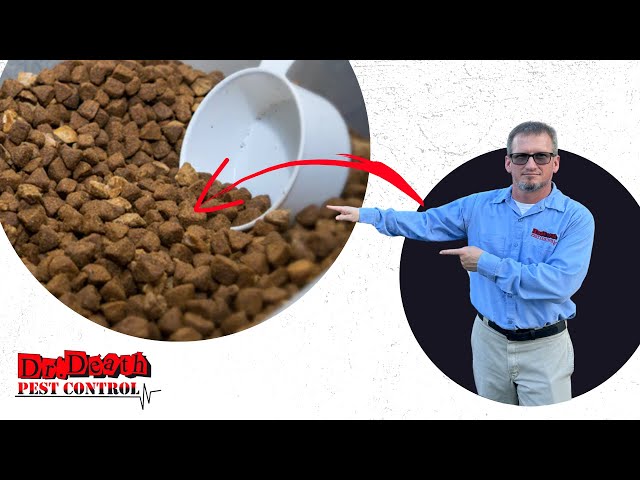

Leftover kibble, spilled water, and even the aroma of pet food can create an inviting environment for unwanted critters. These pests can range from common household insects like ants and cockroaches to rodents such as mice and rats. Attracting these pests not only creates a nuisance but also poses potential health risks to both pets and humans. Proper pet food storage and feeding practices are essential to maintaining a pest-free home.
For instance, a bowl constantly overflowing with dry food can become a buffet for ants, while a forgotten can of wet food left open overnight can attract flies and cockroaches. Even seemingly clean food storage containers can harbor insect eggs or larvae if not properly sealed. These examples highlight the importance of diligent pet food management.
Could Your Pet’s Food Be Attracting Pests?
Pet food, a staple in many homes, can unfortunately become an attractant for unwanted guests. The nutritional content designed for our furry companions also appeals to a variety of pests, creating a potential problem for homeowners. Understanding the factors that contribute to pest attraction is the first step in preventing infestations.
The type of pet food plays a significant role. Dry kibble, due to its accessibility and often loose storage, can be easily accessed by insects. Wet food, with its strong odor and moisture content, is particularly attractive to flies, cockroaches, and even rodents. Storing both types properly is crucial.
Spills and crumbs around feeding areas create an open invitation for pests. Regular cleaning is essential to eliminate these food sources. Food bowls should be washed regularly, and the surrounding area should be swept or vacuumed to remove any stray bits of food.
Storage practices are paramount. Pet food should be kept in airtight containers to prevent odors from escaping and pests from gaining access. These containers should be stored in cool, dry locations, away from potential entry points for pests.
The location of feeding stations also matters. Avoid placing food bowls near exterior doors or windows, as these areas can provide easy access for pests. Opting for designated feeding areas within the home can help minimize attraction.
Ignoring the problem can lead to larger infestations. A few ants might seem insignificant, but they can quickly multiply and become a major nuisance. Regular monitoring for signs of pests is crucial for early intervention.
Different pests are attracted to different types of food and storage methods. Understanding the specific pests common in your area can help you tailor your prevention strategies. Consulting with a pest control professional can provide valuable insights.
Ultimately, preventing pest infestations related to pet food requires a proactive approach. By implementing proper storage and feeding practices, homeowners can protect their pets, their families, and their homes from unwanted visitors.
Important Points to Consider
-
Food Type:
The type of pet food, whether dry kibble or wet food, influences its attractiveness to pests. Dry food, often left out in bowls, can easily attract ants and other insects. Wet food, with its stronger aroma and moisture, can draw in flies, cockroaches, and even rodents. Choosing appropriate storage methods for each type is essential for pest control.
-
Storage Containers:
Proper storage is paramount in preventing pest infestations. Airtight containers are crucial for keeping pet food fresh and preventing odors that attract pests. Durable, chew-proof containers are also important, especially if rodents are a concern. Regularly cleaning these containers is also necessary to remove any residual food particles.
-
Feeding Area Cleanliness:
Maintaining a clean feeding area is vital. Regularly sweeping or vacuuming up crumbs and spilled food eliminates food sources for pests. Washing food bowls frequently prevents the buildup of food residue and bacteria, further deterring pests. A clean feeding area also promotes a healthier environment for pets.
-
Storage Location:
The location where pet food is stored plays a significant role in pest attraction. Storing food in cool, dry places, away from potential entry points for pests, is essential. Avoid storing pet food near exterior doors, windows, or any cracks or crevices where pests can easily gain access.
-
Regular Monitoring:
Regularly inspecting pet food and surrounding areas for signs of pests is crucial. Early detection can prevent minor infestations from escalating into larger problems. Look for droppings, chewed packaging, or any unusual activity around the food storage and feeding areas.
-
Pest Identification:
Identifying the specific types of pests common in your area can help you tailor your prevention strategies. Different pests are attracted to different types of food and have varying habits. Knowing your enemy allows for more effective control measures.
-
Professional Consultation:
If you’re struggling with a persistent pest problem, consulting a pest control professional is recommended. They can identify the source of the infestation, recommend appropriate treatment options, and provide guidance on preventative measures.
-
Outdoor Feeding:
If you feed pets outdoors, take extra precautions. Clean up any leftover food immediately after feeding to avoid attracting wildlife and pests. Consider using elevated feeding platforms to make food less accessible to ground-dwelling pests.
-
Pet Food Rotation:
Regularly rotating pet food stock prevents older food from becoming stale and attracting pests. First-in, first-out (FIFO) inventory management ensures that older food is used before newer purchases, minimizing the risk of spoilage and pest attraction.
-
Sealed Trash Cans:
Empty food packaging and leftover pet food should be disposed of in tightly sealed trash cans. This prevents odors from escaping and attracting pests. Regularly cleaning trash cans also helps maintain a hygienic environment.
Tips for Preventing Pest Attraction
-
Elevate Food Bowls:
Elevating pet food bowls can make it more difficult for certain pests, like ants and rodents, to access the food. This simple step can significantly reduce the chances of infestation. Choose an elevated stand that is stable and easy to clean.
-
Use Food Mats:
Placing mats underneath food and water bowls can help contain spills and crumbs, making cleanup easier and reducing the attraction for pests. Choose mats that are easy to wash and disinfect regularly.
-
Sweep or Vacuum Regularly:
Regular sweeping or vacuuming around feeding areas removes stray food particles and crumbs that can attract pests. This simple task can significantly reduce the likelihood of an infestation. Pay close attention to hard-to-reach areas where crumbs may accumulate.
-
Wash Food Bowls Daily:
Washing food and water bowls daily with soap and water eliminates food residue and bacteria, making them less attractive to pests. This also promotes better hygiene for your pets. Thoroughly dry the bowls before refilling them.
-
Store Food in Airtight Containers:
Storing pet food in airtight containers prevents odors from escaping and keeps pests out. This is a crucial step in preventing infestations. Choose containers that are made of durable materials and are easy to clean.
Pest infestations can be a significant nuisance, disrupting the peace and cleanliness of a home. Preventing these infestations requires a proactive approach, and understanding the attractants is the first step. Pet food, while essential for our companions, can unfortunately serve as a beacon for unwanted guests.
The composition of pet food, rich in proteins and fats, makes it a desirable food source for many pests. From tiny ants to larger rodents, the nutritional content of pet food provides sustenance and encourages their presence. This underscores the importance of proper storage and handling.
Unsealed bags of pet food emit odors that can travel far, attracting pests from considerable distances. These odors act as an invitation, signaling a readily available food source. Airtight containers are crucial for containing these enticing aromas.
Spilled food and crumbs around feeding areas create an easily accessible buffet for pests. Regular cleaning is essential to eliminate these attractants and discourage pest activity. Diligence in maintaining a clean environment is key.
The storage location of pet food also plays a crucial role. Storing food near potential entry points, such as cracks or crevices, provides easy access for pests. Choosing appropriate storage locations is a vital preventative measure.
Different types of pests have varying preferences when it comes to food sources. Understanding the common pests in your area can help you tailor your prevention strategies. Researching local pest behavior can inform effective control methods.
Ignoring a small pest problem can quickly lead to a larger infestation. Early intervention is crucial to prevent populations from growing out of control. Regular monitoring and prompt action are essential for effective pest management.
Professional pest control services can provide valuable expertise and assistance in managing infestations. Their knowledge of pest behavior and effective treatment methods can be invaluable in resolving persistent problems.
Protecting your home from pests requires a multi-faceted approach. By combining proper storage practices, regular cleaning, and vigilance, you can create a less inviting environment for unwanted guests and safeguard your pet’s food.
Ultimately, a proactive approach to pest prevention is the most effective strategy. By understanding the factors that contribute to pest attraction and implementing preventative measures, you can maintain a clean, pest-free home for both you and your pets.
Frequently Asked Questions
John: My cat’s dry food seems to attract ants. What can I do?
Professional: Ants are often attracted to dry pet food. Ensure you’re storing the food in an airtight container and cleaning up any spills immediately. Consider using ant baits or traps around the feeding area, but ensure they are placed safely away from your cat’s reach.
Sarah: I’ve seen droppings near my dog’s food bowl. Could it be rodents?
Professional: Rodent droppings near pet food indicate a potential infestation. Store pet food in rodent-proof containers, elevate food bowls, and eliminate any other food sources in the area. Contact a pest control professional for further assistance if the problem persists.
Ali: How often should I clean my pet’s food bowls?
Professional: Washing food and water bowls daily with soap and water is recommended to remove food residue and bacteria, preventing pest attraction and promoting pet hygiene. Regular cleaning creates a healthier environment for your pets.
Maria: What’s the best way to store opened bags of pet food?
Professional: Transfer opened bags of pet food to airtight containers. This prevents odors from escaping and keeps pests out, while also maintaining the food’s freshness. Ensure the containers are stored in a cool, dry place.
David: I feed my dog outside. How can I prevent pests from being attracted to his food?
Professional: When feeding pets outdoors, remove any uneaten food immediately after feeding. Consider using elevated feeding platforms to make the food less accessible to ground-dwelling pests. Regularly clean the outdoor feeding area.
Lisa: Are there specific types of containers that are best for storing pet food?
Professional: Choose durable, airtight containers made of metal or heavy-duty plastic. Ensure they are chew-proof, especially if rodents are a concern. Clearly label the containers with the type of food and the date it was opened.
Youtube Video: