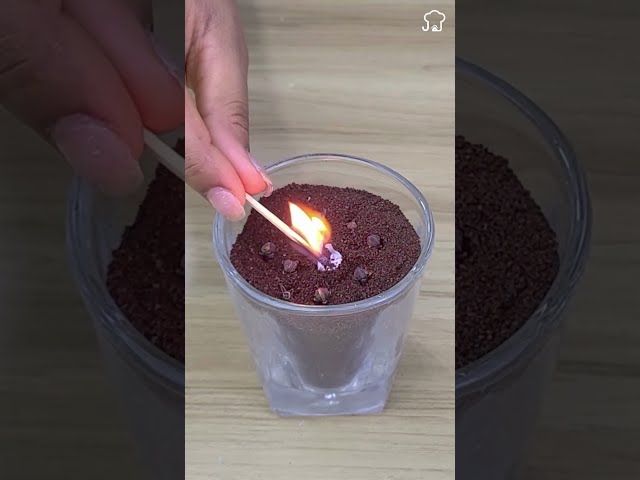


Eliminating these unwelcome flying insects from one’s dwelling involves a multifaceted approach, encompassing preventative measures and active removal strategies. This can range from simple actions like closing windows and doors to more involved tactics such as using mosquito traps or eliminating standing water. Successful removal often requires a combination of methods tailored to the specific environment and infestation level. Maintaining a mosquito-free home contributes significantly to comfort and reduces the risk of mosquito-borne illnesses.
For example, one might install screens on windows and doors to prevent entry. Another common practice is using mosquito repellents containing DEET or picaridin. These examples demonstrate the range of options available for addressing this common household nuisance.
how to get mosquitoes out of your house
Mosquitoes are attracted to stagnant water, so eliminating any standing water sources around the home is crucial. This includes emptying flowerpot saucers, birdbaths, and any other containers that hold water. Regularly cleaning gutters and ensuring proper drainage also helps to minimize breeding grounds. These preventative measures can significantly reduce the mosquito population around the house.
Installing screens on windows and doors creates a physical barrier, preventing mosquitoes from entering the home. Ensure screens are in good repair and fit snugly to prevent gaps. Even small openings can allow mosquitoes to enter, so careful inspection and maintenance are essential. This simple step can dramatically reduce the number of mosquitoes inside.
Using mosquito traps can effectively capture and kill mosquitoes already inside the house. These traps utilize various attractants, such as light, carbon dioxide, or octenol, to lure mosquitoes in. Different types of traps are available, each with varying effectiveness. Consider the size of the area and the level of infestation when choosing a trap.
Mosquito repellents applied to the skin or clothing can provide personal protection against mosquito bites. Products containing DEET, picaridin, or oil of lemon eucalyptus are generally recommended. Follow the product instructions carefully and reapply as needed. These repellents can be particularly useful when spending time outdoors.
Natural mosquito repellents, such as citronella candles or essential oils, can offer some level of protection. While their effectiveness may vary, they can be a good option for those seeking alternatives to synthetic repellents. Place citronella candles strategically around outdoor areas to create a mosquito-repelling zone. Burning essential oils in a diffuser can also help deter mosquitoes indoors.
Electric fans can disrupt mosquito flight patterns, making it difficult for them to land and bite. Placing fans strategically in areas where people gather can help create a mosquito-free zone. The airflow also helps to disperse the carbon dioxide that attracts mosquitoes. This simple and cost-effective method can be surprisingly effective.
Keeping grass and vegetation trimmed short around the house can reduce mosquito resting sites. Mosquitoes often rest in tall grass and shrubs, so maintaining a well-manicured lawn can discourage them from lingering near the home. This also helps to eliminate potential breeding sites hidden within dense vegetation.
Consider using mosquito dunks in areas with standing water that cannot be easily eliminated. These dunks contain a bacterium that kills mosquito larvae but is harmless to humans, pets, and other wildlife. They are an effective way to prevent mosquito populations from developing in water features such as ponds or rain barrels.
Professional pest control services can be consulted for severe infestations. They can assess the situation and recommend appropriate treatment options, including targeted insecticide applications. This is often the most effective way to deal with large-scale mosquito problems that are difficult to control with DIY methods.
Important Points to Consider
- Eliminate Standing Water: Standing water is a breeding ground for mosquitoes. Regularly empty and clean any containers that hold water, such as flowerpots, birdbaths, and buckets. Ensure proper drainage in gutters and around the house to prevent water from accumulating. This is the most crucial step in preventing mosquito infestations.
- Install Screens: Screens on windows and doors provide a physical barrier against mosquitoes. Make sure screens are in good repair and fit tightly to prevent gaps. Check screens regularly for holes or tears and repair them promptly. This simple measure can significantly reduce mosquito entry.
- Use Mosquito Traps: Mosquito traps can be effective in capturing and killing mosquitoes that are already inside the house. Different types of traps are available, so choose one that is appropriate for your needs. Place traps strategically in areas where mosquitoes are most active.
- Apply Mosquito Repellents: Use mosquito repellents containing DEET, picaridin, or oil of lemon eucalyptus on exposed skin and clothing. Follow product instructions carefully and reapply as needed. Repellents can provide effective protection against mosquito bites.
- Utilize Natural Repellents: Natural repellents like citronella candles and essential oils can offer some level of mosquito deterrence. While their effectiveness may vary, they can be a good option for those seeking alternatives to synthetic repellents. Experiment with different natural repellents to find what works best.
- Use Fans: The airflow from electric fans can disrupt mosquito flight patterns and make it difficult for them to land and bite. Place fans in areas where people gather to create a mosquito-free zone. This is a simple and cost-effective way to deter mosquitoes.
- Maintain Landscaping: Keep grass and vegetation trimmed short around the house to reduce mosquito resting sites. Mosquitoes often rest in tall grass and shrubs, so maintaining a well-manicured lawn can discourage them. This also helps eliminate potential breeding sites.
- Use Mosquito Dunks: Mosquito dunks contain a bacterium that kills mosquito larvae but is harmless to humans, pets, and other wildlife. Use them in areas with standing water that cannot be easily eliminated, such as ponds or rain barrels. This is a safe and effective way to control mosquito populations.
- Consult Pest Control Professionals: For severe infestations, consider contacting a professional pest control service. They can assess the situation and recommend appropriate treatment options, including targeted insecticide applications. Professional help can be essential for managing large-scale infestations.
- Maintain Cleanliness: Keeping the house clean and free of clutter can help reduce mosquito hiding places. Regularly vacuum and dust to remove any potential mosquito resting spots. A clean environment is less inviting to mosquitoes.
Tips for Preventing Mosquitoes
- Empty and clean any containers that hold water at least once a week. This includes flowerpots, birdbaths, buckets, and any other containers that can collect rainwater. Mosquitoes can breed in even small amounts of water, so regular cleaning is essential. This will disrupt their breeding cycle and reduce the mosquito population.
- Repair or replace damaged screens on windows and doors. Even small holes or tears can allow mosquitoes to enter the house. Inspect screens regularly and make repairs promptly. This simple step can significantly reduce mosquito entry and improve indoor comfort.
- Use mosquito netting over cribs and beds to protect infants and children. Mosquitoes can transmit diseases, so it’s important to protect vulnerable individuals. Mosquito netting provides a physical barrier against bites and can help ensure a peaceful night’s sleep. Tuck the netting in securely to prevent mosquitoes from entering.
- Wear light-colored clothing when spending time outdoors. Mosquitoes are attracted to dark colors, so wearing light-colored clothing can make you less of a target. This simple tip can reduce the number of mosquito bites you receive while enjoying outdoor activities. Long sleeves and pants can also offer additional protection.
- Avoid peak mosquito activity times, typically dawn and dusk. Mosquitoes are most active during these times, so limiting outdoor exposure during these periods can reduce your risk of being bitten. If you must be outside during these times, take extra precautions such as wearing repellents and protective clothing.
Understanding the mosquito lifecycle is key to effective control. Mosquitoes go through four stages: egg, larva, pupa, and adult. By targeting the larval stage, which occurs in standing water, you can significantly reduce the adult mosquito population. This involves eliminating breeding sites and using larvicides when necessary. This approach can be more effective than simply trying to kill adult mosquitoes.
Different mosquito species have varying biting preferences. Some species are more attracted to humans, while others prefer animals. Knowing the prevalent species in your area can help you tailor your control methods. This knowledge can inform your choice of repellents and traps, optimizing their effectiveness.
Mosquitoes can transmit various diseases, including malaria, dengue fever, Zika virus, and West Nile virus. Protecting yourself from mosquito bites is crucial for preventing these illnesses. Using repellents, wearing protective clothing, and minimizing exposure to mosquitoes are essential steps in safeguarding your health. Staying informed about mosquito-borne diseases in your area is also important.
Community-wide mosquito control efforts can be highly effective. These efforts often involve public health initiatives to eliminate breeding sites and educate residents about mosquito prevention. Participating in community cleanup events and supporting local mosquito control programs can contribute to a mosquito-free environment for everyone. Collective action can have a significant impact on mosquito populations.
Climate change can influence mosquito populations and the spread of mosquito-borne diseases. Warmer temperatures and increased rainfall can create more favorable conditions for mosquito breeding and survival. Understanding the impact of climate change on mosquito activity can help inform public health strategies and individual preventative measures. Adapting to these changing conditions is crucial for effective mosquito control.
Research is ongoing to develop new and more effective mosquito control methods. Scientists are exploring innovative approaches such as genetic modification and biological control agents. These advancements hold promise for reducing mosquito populations and mitigating the spread of mosquito-borne diseases in the future. Staying informed about these developments can provide valuable insights into future mosquito control strategies.
Integrated pest management (IPM) is a holistic approach to mosquito control that combines various methods to minimize environmental impact. IPM strategies prioritize preventative measures and use pesticides judiciously only when necessary. This approach promotes sustainable mosquito control while minimizing risks to human health and the environment. Implementing IPM principles can lead to long-term, effective mosquito management.
Educating yourself about mosquito behavior and control methods is empowering. By understanding how mosquitoes breed, what attracts them, and how to prevent them, you can take proactive steps to protect yourself and your family. Knowledge is key to effective mosquito control and reducing the risk of mosquito-borne illnesses. Staying informed empowers you to make informed decisions about mosquito prevention.
Proper waste management plays a role in mosquito control. Discarded tires, containers, and other debris can collect rainwater and become breeding sites for mosquitoes. Properly disposing of waste and keeping the environment clean can help minimize mosquito breeding opportunities. This simple act of civic responsibility contributes to a healthier and mosquito-free community.
Travelers to areas with high mosquito activity should take extra precautions. Consult with a healthcare professional about recommended vaccinations and preventative measures. Using mosquito repellents, wearing protective clothing, and sleeping under mosquito nets are essential for minimizing the risk of mosquito-borne illnesses while traveling. Careful planning and preparation can help ensure a safe and healthy trip.
Frequently Asked Questions
John: How often should I empty standing water to prevent mosquito breeding?
Professional: It’s recommended to empty and clean any containers holding water at least once a week. Mosquitoes can develop from egg to adult in as little as a week, so regular cleaning is crucial to disrupt their breeding cycle. Even small amounts of water can support mosquito larvae, so be thorough in your efforts.
Sarah: Are natural mosquito repellents as effective as DEET?
Professional: While natural repellents like citronella and essential oils can offer some protection, they are generally not as effective or long-lasting as DEET or picaridin. DEET-based repellents provide the most reliable protection against mosquito bites, especially in areas with high mosquito activity or where mosquito-borne diseases are prevalent. Always follow product instructions carefully when using any mosquito repellent.
Ali: What should I do if I have a severe mosquito infestation?
Professional: For severe mosquito infestations that are difficult to control with DIY methods, it’s best to contact a professional pest control service. They have the expertise and resources to assess the situation, identify breeding sites, and recommend appropriate treatment options, which may include targeted insecticide applications. Professional intervention can be the most effective way to manage large-scale infestations.
Maria: Can mosquitoes breed in my pet’s water bowl?
Professional: Yes, mosquitoes can breed in any standing water, including pet water bowls. It’s important to change your pet’s water frequently, at least daily, to prevent mosquito breeding. Regularly cleaning the bowl also helps to remove any mosquito eggs or larvae. Consider using a mosquito dunk in larger pet water dishes, especially those located outdoors, for added protection.
David: Are all mosquito species dangerous?
Professional: Not all mosquito species transmit diseases, but many do. Some species are vectors for serious illnesses like malaria, dengue fever, Zika virus, and West Nile virus. It’s important to protect yourself from all mosquito bites, regardless of the species, to minimize the risk of disease transmission. Using repellents, wearing protective clothing, and eliminating breeding sites are crucial for protecting yourself and your community.
Youtube Video: