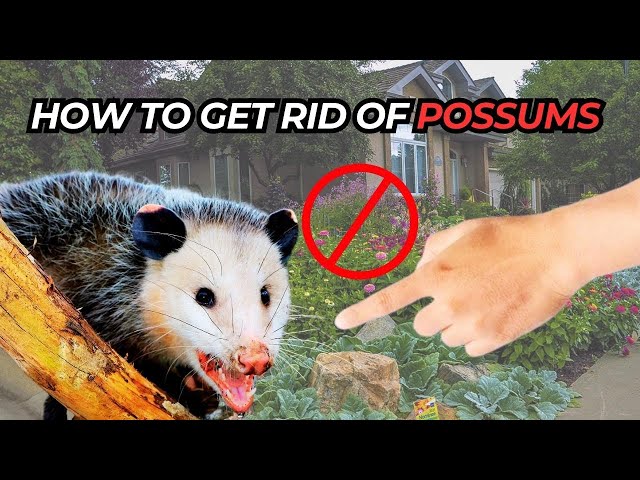

Possum removal involves implementing strategies to discourage these nocturnal marsupials from inhabiting one’s property. This can range from eliminating food sources and sealing entry points to using deterrents and, in some cases, professional trapping. Effective removal requires understanding possum behavior and employing humane and legal methods. A common example involves securing garbage bins and removing fallen fruit to reduce attractants.
Another approach focuses on excluding possums from accessing attics, sheds, or under-deck areas by sealing openings. This often involves using wire mesh, wood, or other durable materials to close off potential entry points. Careful inspection of the property is crucial to identify and address all possible access areas. This preventative measure can significantly reduce the likelihood of possums establishing a den on the property.
how to get rid of possums
The first step in possum removal is identifying and eliminating food sources. Possums are attracted to readily available food, including pet food, fallen fruit, and unsecured garbage. Store pet food indoors and ensure garbage bins have tight-fitting lids. Regularly cleaning up fallen fruit and other organic debris will also deter possums from foraging in your yard.
Next, inspect your property for potential entry points. Possums can squeeze through surprisingly small openings, so check for gaps in fences, under decks, and around sheds or other outbuildings. Seal these openings with wire mesh, wood, or other suitable materials. This will prevent possums from gaining access to sheltered areas.
Using deterrents can also discourage possums. Commercial possum repellents are available, but natural deterrents like ammonia-soaked rags or mothballs placed near den sites can also be effective. However, ensure these are placed out of reach of children and pets.
Trapping is another option, but it’s essential to check local regulations regarding trapping and releasing possums. Use a cage trap baited with fruit or vegetables and release the trapped possum in a suitable location away from residential areas, as per local guidelines. Always prioritize humane trapping methods.
Lighting up the area around your home can deter possums, as they prefer dark environments. Install motion-activated lights around your property, particularly near potential entry points. The sudden burst of light can startle possums and discourage them from approaching.
Trim overhanging branches that could provide access to your roof or attic. Possums are skilled climbers and can easily use branches as pathways to access higher areas of your home. Keeping vegetation trimmed back will limit their access points.
Consider installing a fence around your garden or other vulnerable areas. Ensure the fence is buried a few inches below ground to prevent possums from digging underneath it. A solid fence will effectively keep possums out of protected areas.
If you have pets, ensure their food is not left outdoors overnight. Pet food can be a significant attractant for possums. Feed pets indoors or remove any uneaten food before nightfall.
If you’re facing a persistent possum problem, consider contacting a professional wildlife removal service. They have the experience and equipment to handle possum removal safely and effectively, ensuring humane treatment of the animals.
Important Points to Consider
-
Legality:
Check your local laws and regulations regarding possum trapping and removal. Some areas have specific guidelines or require permits for trapping wildlife. Understanding these regulations is crucial to ensure you’re acting within the law. Failure to comply with local ordinances can result in fines or other penalties.
-
Safety:
Possums can carry diseases and parasites, so always wear gloves when handling traps or cleaning up possum droppings. Avoid direct contact with the animals. Wash your hands thoroughly after any potential exposure. If bitten or scratched, seek medical attention immediately.
-
Humane Treatment:
Prioritize humane treatment of possums. Use appropriate traps and release them in a suitable location away from residential areas, according to local guidelines. Avoid using harmful poisons or inhumane trapping methods. Ensure trapped animals are not left exposed to extreme weather conditions.
-
Prevention:
Focus on preventative measures to discourage possums from returning. This includes securing food sources, sealing entry points, and maintaining a clean yard. Regularly inspect your property for potential vulnerabilities. By addressing the factors that attract possums in the first place, you can minimize the likelihood of future infestations.
-
Professional Help:
If you’re struggling to remove possums on your own, consider contacting a professional wildlife removal service. They have the expertise and equipment to handle possum removal safely and effectively. Professionals can also offer advice on preventative measures to keep possums away. They are trained to handle wildlife humanely and in accordance with local regulations.
-
Habitat Modification:
Making your property less attractive to possums can deter them from settling in. Remove dense vegetation, woodpiles, and other potential hiding places. Keep grass trimmed short. Eliminate access to water sources if possible. These modifications make the environment less hospitable to possums.
-
Exclusion Methods:
Sealing entry points is a crucial step in preventing possums from accessing your home or outbuildings. Use durable materials like wire mesh, sheet metal, or wood to close off gaps and openings. Pay close attention to areas around pipes, vents, and foundations. Thorough exclusion efforts can significantly reduce the likelihood of possum intrusions.
-
Repellents:
Commercial possum repellents can be effective in deterring possums. Follow the manufacturer’s instructions carefully. Natural repellents like ammonia-soaked rags or mothballs can also be used, but ensure they are placed safely away from children and pets. Reapply repellents regularly, especially after rain. The effectiveness of repellents can vary depending on the specific product and the persistence of the possums.
-
Persistence:
Possum removal can require patience and persistence. It may take time and multiple strategies to effectively deter them. Don’t get discouraged if initial efforts don’t yield immediate results. Continue to implement preventative measures and monitor for signs of possum activity. Consistent effort is key to long-term success in managing possum populations.
Tips for Possum Removal
-
Secure Garbage:
Use tightly sealed garbage bins to prevent possums from accessing food waste. Consider using bungee cords or other securing mechanisms to keep lids closed. Store garbage bins in a sheltered area or garage if possible. Regularly clean the area around garbage bins to remove any spilled food or debris.
-
Remove Attractants:
Eliminate potential food sources like fallen fruit, pet food, and bird feeders. Clean up any spills or debris that might attract possums. Store pet food indoors and remove bird feeders at night. Compost food scraps in a secure compost bin. These steps will reduce the availability of food that attracts possums to your property.
-
Trim Vegetation:
Trim overhanging branches and shrubs that could provide access to your roof or attic. Keep grass trimmed short to reduce hiding places. Remove dense vegetation near buildings. These measures will limit access points and make your property less inviting to possums.
-
Inspect Regularly:
Regularly inspect your property for signs of possum activity, such as droppings, tracks, or damaged vegetation. Check for potential entry points and seal any openings. Monitor for signs of nesting in attics, sheds, or under decks. Regular inspections will help you identify and address potential problems early on.
-
Consult Professionals:
If you’re having trouble removing possums or are unsure about the best course of action, contact a professional wildlife removal service. They have the experience and knowledge to handle possum removal safely and effectively. They can also offer advice on preventative measures and long-term solutions. Professional services can provide a more comprehensive approach to possum management.
Understanding possum behavior is key to effective removal. They are nocturnal creatures, primarily active at night, foraging for food. Knowing their habits helps in implementing targeted strategies. For instance, setting traps at dusk is more effective than during the day.
Possums play a vital role in the ecosystem, consuming insects, rodents, and snails. While they can be a nuisance in residential areas, it’s important to appreciate their ecological contributions. Consider non-lethal removal methods whenever possible to preserve their beneficial role.
Possums are not typically aggressive animals, but they may hiss or bare their teeth if they feel threatened. Avoid cornering or attempting to handle them directly. Use caution when approaching a trapped possum. If you encounter a possum, give it space to retreat on its own.
Protecting your garden from possums can involve using physical barriers like netting or fencing. These barriers prevent possums from accessing vulnerable plants and vegetables. Choose sturdy materials that can withstand possum attempts to climb or dig under them.
Cleanliness is essential in deterring possums. Regularly cleaning up fallen fruit, pet food, and other food sources removes the attractants that draw them to your property. Maintaining a clean yard reduces the likelihood of possums establishing a presence.
Possums are opportunistic feeders and will consume a wide variety of food items. This includes fruits, vegetables, insects, rodents, and even garbage. Understanding their dietary habits helps in identifying and eliminating potential food sources in your yard.
Preventing possum entry into your home is crucial for maintaining hygiene and preventing damage. Seal any gaps or openings in your home’s exterior, including around pipes, vents, and foundations. This prevents possums from gaining access to attics, crawl spaces, and other areas.
While possums can be beneficial in controlling insect populations, they can also cause damage to gardens and property. They may dig up lawns in search of grubs or damage plants while foraging for food. Implementing preventative measures can mitigate these potential problems.
Possums are marsupials, meaning they carry their young in a pouch. They are generally solitary animals, except during mating season and when raising young. Understanding their social behavior can provide insights into their presence on your property.
While some people are afraid of possums due to their appearance and nocturnal habits, they are generally not dangerous to humans. They play an important role in the ecosystem and are rarely aggressive unless cornered or threatened. Educating oneself about possums can help dispel unfounded fears and promote coexistence.
Frequently Asked Questions
John: Are possums dangerous to pets?
Professional: While possums are generally not aggressive towards pets, they can carry diseases and parasites that could be transmitted. Keep pets vaccinated and monitor their interactions with wildlife. It’s best to prevent contact between pets and possums to minimize any potential risks.
Sarah: What should I do if I find a baby possum?
Professional: If you find a baby possum, contact a local wildlife rehabilitator. They have the expertise to care for orphaned or injured wildlife and can ensure the baby possum receives the appropriate care. Avoid handling the baby possum yourself.
Ali: Do possums carry rabies?
Professional: Possums have a lower body temperature than most mammals, making them less susceptible to carrying rabies. While it’s still possible, it’s relatively rare for a possum to contract rabies. However, if you’re bitten by a possum, seek medical attention immediately.
Maria: How can I keep possums out of my attic?
Professional: Seal any openings or gaps that could provide access to your attic. This includes vents, pipes, and damaged soffits. Trim branches that overhang the roof. Ensure your attic is well-ventilated to reduce its attractiveness as a den site. These preventative measures can effectively keep possums out.
David: Are there any natural repellents for possums?
Professional: Some natural repellents, like ammonia-soaked rags or mothballs, can deter possums. However, use caution when placing these, ensuring they are out of reach of children and pets. The effectiveness of natural repellents can vary. Consider other deterrent methods in conjunction with repellents.
Lisa: How much does professional possum removal cost?
Professional: The cost of professional possum removal varies depending on the extent of the infestation and the specific services required. Contact local wildlife removal companies for quotes and discuss your specific situation. They can provide a more accurate estimate based on your individual needs.
Youtube Video: