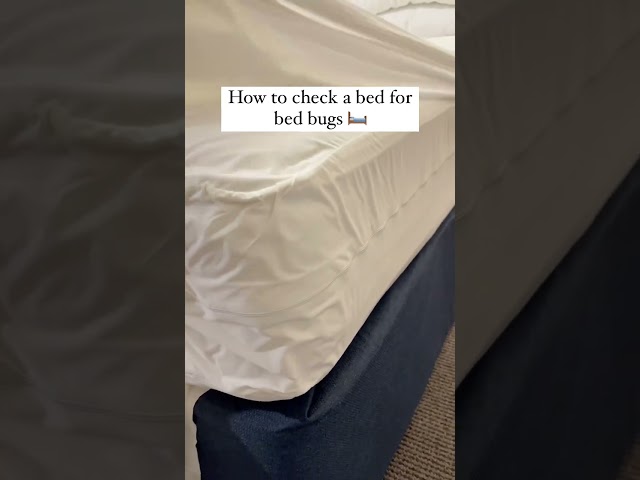

A guide for determining the presence and type of tiny insects inhabiting bedding or the surrounding sleep environment. This involves careful observation, recognizing common signs of infestation, and understanding the characteristics of various household pests. Accurate identification is crucial for effective treatment and prevention. Proper identification can also prevent misidentification of harmless debris or lint as insects.
how to identify small bugs in your bed or bedroom pest guide
Start by thoroughly inspecting your mattress, particularly along seams, crevices, and tufts. Look for live insects, shed skins (exuviae), fecal spots (small dark stains), or eggs. These signs can indicate the presence of bed bugs, dust mites, or other pests. A bright flashlight and magnifying glass can be invaluable tools for this process. Remember to check the bed frame, headboard, and surrounding furniture as well.
Bed bugs are small, flat, reddish-brown insects that feed on blood. Their bites often appear as itchy, red welts in clusters or lines. Dust mites, on the other hand, are microscopic arachnids that feed on dead skin cells. While not visible to the naked eye, their presence can trigger allergic reactions in sensitive individuals.
Fleas are small, dark-colored insects that jump. They often infest pets but can also bite humans. Their bites are typically small, red, and intensely itchy. Carpet beetles are small, round, and often patterned. They feed on natural fibers and can damage fabrics, carpets, and clothing.
Spider beetles are small, round, shiny beetles that can infest stored food products and pantry areas. They may also be found in bedrooms if food crumbs or other organic matter are present. Booklice are tiny, soft-bodied insects that feed on mold and mildew. They are often found in damp, humid environments.
If you find evidence of an infestation, it’s crucial to identify the specific pest. This will determine the appropriate treatment strategy. Taking photos of the insects or collecting samples can be helpful for professional identification.
Consulting a pest control professional is often the best course of action. They have the expertise and tools to accurately identify the pest and recommend the most effective treatment plan. Early intervention can prevent infestations from spreading and becoming more difficult to manage.
Regular cleaning and preventive measures can help minimize the risk of infestations. Vacuuming frequently, washing bedding in hot water, and reducing clutter can create an environment less hospitable to pests.
Important Points to Consider
- Regular Inspection: Regularly inspect your bedding, mattress, and surrounding furniture for signs of pests. This should be done at least monthly, or more frequently if you suspect an infestation. Thorough inspections are key to early detection and prevention of widespread infestations. Pay close attention to seams, crevices, and areas where fabric gathers.
- Proper Identification: Accurate identification of the pest is crucial for effective treatment. Misidentification can lead to ineffective treatments and wasted time and resources. Consult a pest control professional if you are unsure of the pest’s identity. They can provide expert identification and recommend the best course of action.
- Professional Consultation: If you suspect an infestation, contact a qualified pest control professional. They have the knowledge, experience, and tools to effectively address the problem. Professional treatment is often the most efficient and effective way to eliminate pests.
- Preventative Measures: Implement preventative measures to reduce the risk of infestations. Regular cleaning, vacuuming, and reducing clutter can create an environment less conducive to pests. Sealing cracks and crevices can also help prevent pests from entering your home.
- Hygiene Practices: Maintaining good hygiene practices can also help prevent infestations. Regularly washing bedding in hot water and keeping the bedroom clean and clutter-free can deter pests. Vacuuming frequently can remove food sources and discourage pest activity.
- Environmental Control: Controlling environmental factors such as temperature and humidity can also help prevent infestations. Many pests thrive in warm, humid environments. Reducing humidity levels and ensuring proper ventilation can make your bedroom less attractive to pests.
Tips for Identifying and Managing Pests
- Use a flashlight and magnifying glass: These tools can help you spot tiny insects and their signs more easily. A bright light can illuminate dark crevices where pests may hide, while a magnifying glass can help you see small details.
- Check bedding and mattress regularly: Regular inspections are crucial for early detection of infestations. Inspect your bedding and mattress at least monthly, or more frequently if you suspect a problem. Pay close attention to seams, crevices, and areas where fabric gathers.
- Vacuum frequently: Vacuuming regularly can remove dust mites, dead skin cells, and other debris that can attract pests. Pay special attention to areas under and around the bed, as well as carpets and rugs. Empty the vacuum cleaner bag or canister immediately after use to prevent re-infestation.
- Wash bedding in hot water: Washing bedding in hot water (at least 130F) can kill dust mites and other pests. Dry bedding on high heat as well. Regularly washing and drying bedding can significantly reduce the risk of infestations.
Understanding the life cycle of common bedroom pests can be beneficial in identifying and managing infestations. Knowing how these pests reproduce and develop can help pinpoint the source of the problem and implement targeted control measures. This knowledge can also help determine the effectiveness of treatment strategies.
Different pests are attracted to different environments. Some thrive in warm, humid conditions, while others prefer dry, dusty areas. Understanding these preferences can help you create an environment that is less hospitable to pests. This can involve adjusting temperature and humidity levels, as well as improving ventilation.
Certain materials and fabrics can be more susceptible to pest infestations. Natural fibers, such as wool and cotton, can be attractive to some pests. Synthetic materials may be less prone to infestation. Choosing appropriate materials for bedding and furniture can help minimize the risk of pest problems.
Proper storage of food and clothing can also help prevent infestations. Storing food in airtight containers can deter pantry pests. Keeping clothing clean and stored in sealed containers can prevent damage from fabric pests. These simple steps can significantly reduce the risk of infestations.
Regular cleaning and decluttering can remove potential food sources and hiding places for pests. Dusting, vacuuming, and wiping down surfaces can eliminate dust mites, dead skin cells, and other debris that can attract pests. Keeping the bedroom clean and organized can make it less appealing to a variety of pests.
Sealing cracks and crevices in walls, floors, and around windows can prevent pests from entering your home. This can be particularly effective in preventing the entry of insects and rodents. Caulking and weather stripping can be used to seal gaps and prevent pests from gaining access.
Proper ventilation can help control humidity levels and prevent the growth of mold and mildew, which can attract certain pests. Ensuring adequate airflow can create a drier environment that is less hospitable to many insects. This can involve using fans, opening windows, or installing ventilation systems.
Landscaping practices around your home can also influence pest activity. Keeping vegetation trimmed back from the foundation can prevent pests from using plants as a bridge to enter your home. Removing debris and leaf litter can also eliminate hiding places for pests.
Monitoring pest activity regularly can help you detect infestations early and take appropriate action. Using sticky traps or other monitoring devices can provide valuable information about pest presence and activity levels. This can help you determine the best course of action for prevention or treatment.
Integrated pest management (IPM) strategies can be effective in controlling pest populations while minimizing the use of pesticides. IPM involves a combination of methods, including prevention, monitoring, and targeted treatments. This approach can be more environmentally friendly and sustainable than relying solely on chemical treatments.
Frequently Asked Questions
John: I found small, dark spots on my sheets. Could these be bed bugs?
Professional: Those spots could be bed bug fecal matter. However, they could also be other stains. A thorough inspection for live insects, shed skins, or eggs is necessary to confirm a bed bug infestation.
Sarah: I wake up with itchy bites, but I don’t see any bugs. What could be biting me?
Professional: Several pests, including bed bugs, dust mites, or fleas, can cause itchy bites. A careful inspection of your bedding and bedroom is necessary to identify the culprit. Consider consulting a dermatologist or allergist to rule out other skin conditions.
Ali: I found small, white insects in my bathroom. Could these be bed bugs?
Professional: It’s unlikely that those are bed bugs. Bed bugs typically infest bedrooms and other areas where people sleep. The insects in your bathroom could be booklice, silverfish, or another type of pest. A closer examination or consultation with a pest control professional can help identify them.
Maria: How often should I wash my bedding to prevent pests?
Professional: Washing bedding weekly in hot water (at least 130F) is generally recommended to kill dust mites and other pests. Drying bedding on high heat is also important. More frequent washing may be necessary if you suspect an infestation or have allergies.
Youtube Video: