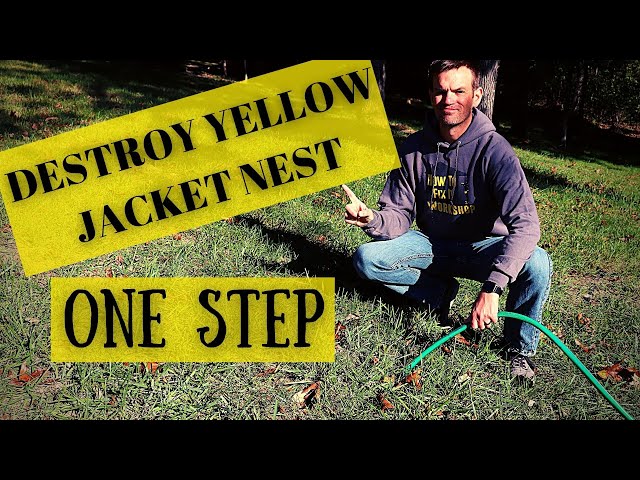


The process of eliminating a stinging insect colony from a structure or property involves careful planning and execution to minimize risk. This is often necessary when the colony poses a threat to human safety or is located in a high-traffic area. Several approaches can be employed, depending on the specific species and the location of the nest. Protective gear is essential in any removal process to avoid stings.
For instance, one might encounter a nest within a wall void or hanging from a tree branch. Ground nests present another common scenario requiring a distinct removal method. Understanding the specific habitat and behavior of the insects is critical to successful and safe removal.
how to remove a yellow jacket nest
Locating the nest is the first crucial step. Yellow jackets are active during the day, so observing their flight paths can lead to the nest entrance. These insects often build nests in the ground, wall voids, or under eaves. Once the nest is located, mark its position from a safe distance.
Choosing the right removal method depends on the nest location and size. Insecticidal dust is effective for ground nests. Apply the dust at night when yellow jackets are less active. Wear protective clothing, including a long-sleeved shirt, pants, gloves, and a bee veil.
For aerial nests, aerosol sprays designed for wasps and hornets are generally recommended. These sprays have a powerful jet stream that can reach nests several feet away. Again, treat the nest at night when the insects are inside and less active.
Never attempt to seal a yellow jacket nest entrance before treating it. This can trap the insects inside and force them to find another way out, potentially into the living space of a home or building.
After treatment, observe the nest for reduced activity. If activity persists after a few days, a second treatment may be necessary. For large or difficult-to-reach nests, contacting a professional pest control service is the safest and most effective option.
Professional pest control services have the expertise and equipment to handle complex nest removals. They can identify the species, assess the situation, and employ the most appropriate removal method. This minimizes the risk of stings and ensures complete nest eradication.
Preventing future nest establishment is crucial. Seal any cracks or openings in the exterior of buildings that could provide access for yellow jackets. Keep garbage cans tightly sealed and remove fallen fruit from the ground to eliminate food sources that attract these insects.
Regularly inspect potential nesting sites around the property, especially in the spring and summer months. Early detection of a small nest allows for easier and safer removal. This proactive approach can help prevent larger infestations and minimize the risk of stings.
Important Points to Consider
- Safety First: Always prioritize safety by wearing protective clothing, including a bee suit, gloves, and closed-toe shoes. This will minimize the risk of stings during the removal process. Never attempt to remove a nest without proper protection, especially if allergic to stings.
- Proper Identification: Ensure the insects are yellow jackets and not bees. Bees are beneficial pollinators and should not be exterminated unless absolutely necessary. Misidentification can lead to unnecessary harm to beneficial insect populations.
- Timing is Key: Treat the nest at night or early morning when yellow jackets are less active and inside the nest. This increases the effectiveness of the treatment and minimizes the risk of stings. Cooler temperatures also reduce insect activity.
- Choose the Right Insecticide: Use an insecticide specifically designed for wasps and hornets. These products are formulated to effectively eliminate these insects. Read and follow the product label instructions carefully for safe and effective application.
- Professional Help: For large nests, nests located in difficult-to-reach areas, or if you are allergic to stings, contact a professional pest control service. They have the expertise and equipment to handle complex removals safely and effectively.
- Post-Removal Inspection: After treatment, monitor the nest for any remaining activity. A second treatment may be necessary if activity persists. Dispose of the nest remnants carefully to prevent re-infestation.
- Prevention: Seal cracks and crevices in buildings, keep garbage cans sealed, and remove fallen fruit to deter future nest establishment. Regularly inspect potential nesting sites to identify and address small nests early.
Tips for Safe and Effective Removal
- Inform Others: Alert family members and neighbors about the removal process to keep them away from the area during treatment. This will prevent accidental exposure to the insecticide and minimize the risk of stings.
- Have an Escape Route: Plan a clear escape route in case of an unexpected attack by the yellow jackets. Knowing where to go and how to quickly retreat can minimize the number of stings received.
- Don’t Shine Lights Directly: Avoid shining flashlights directly at the nest entrance, as this can agitate the insects. Use a red-filtered light if illumination is necessary during nighttime treatment.
- Avoid Disturbing the Nest: Do not disturb the nest prior to treatment. Vibrations or other disturbances can agitate the yellow jackets and increase the risk of stings during the removal process.
Yellow jackets are social insects, living in colonies that can number in the thousands. They are known for their aggressive behavior when their nest is disturbed. Understanding their social structure and behavior is crucial for safe and effective nest removal. Their stings can be painful and, for some individuals, cause allergic reactions.
Different species of yellow jackets exhibit varying levels of aggression. Some species are more likely to sting than others. Identifying the specific species can help determine the appropriate removal strategy. This knowledge also informs the level of caution required during the removal process.
Yellow jackets play a role in the ecosystem by preying on other insects. However, their aggressive nature and potential to sting make them a nuisance when they build nests near human activity. Balancing their ecological role with the need for human safety is a key consideration in nest removal decisions.
The lifecycle of a yellow jacket colony typically begins in the spring with a single queen. The colony grows throughout the summer, reaching its peak size in the late summer or early fall. Understanding this lifecycle helps determine the best time for nest removal and minimizes the impact on the surrounding environment.
Yellow jackets are attracted to sugary substances and protein sources. Keeping garbage cans tightly sealed and removing fallen fruit can help deter them from nesting near homes. Eliminating these attractants is a crucial preventative measure against yellow jacket infestations.
Allergic reactions to yellow jacket stings can range from mild localized swelling to severe systemic reactions. Individuals with known allergies should exercise extreme caution around yellow jackets and seek professional help for nest removal. Knowing the signs and symptoms of an allergic reaction is crucial for prompt medical attention.
Various methods exist for removing yellow jacket nests, including insecticidal dusts, aerosol sprays, and traps. Choosing the right method depends on the nest location, size, and the individual’s comfort level. Consulting with a pest control professional can help determine the most appropriate method.
After a yellow jacket nest is removed, it’s essential to clean the area thoroughly. This helps remove any remaining pheromones that could attract other yellow jackets to the same location. Proper cleanup is essential for preventing future nest establishment.
Numerous online resources provide information about yellow jacket identification, behavior, and control. These resources can be valuable tools for homeowners and property owners seeking to manage yellow jacket populations safely and effectively. Educating oneself about these insects is a key step in preventing and addressing infestations.
Frequently Asked Questions
John: What should I do if I’m stung by a yellow jacket?
Professional: Remove the stinger if it’s present, wash the area with soap and water, and apply a cold compress to reduce swelling. Over-the-counter pain relievers can help manage discomfort. Seek medical attention immediately if you experience difficulty breathing, swelling of the face or throat, or other signs of an allergic reaction.
Sarah: Are there any natural methods for removing yellow jacket nests?
Professional: While some natural methods exist, like soapy water or smoke, they are often less effective and can be more dangerous than using insecticides. Its generally recommended to use proven insecticidal methods or contact a professional for safe and effective removal.
Ali: How can I prevent yellow jackets from building nests around my home?
Professional: Seal any cracks or openings in the exterior of your home, keep garbage cans tightly sealed, and remove fallen fruit from the ground. Regularly inspect potential nesting sites, especially in the spring and summer months, to detect and address small nests early.
Maria: Can I remove a yellow jacket nest myself if it’s small?
Professional: While possible, it’s crucial to assess the risks carefully. Even small nests can contain numerous aggressive yellow jackets. If you are unsure or uncomfortable, contact a pest control professional. Always wear protective clothing and follow recommended safety precautions.
David: What time of year are yellow jackets most active?
Professional: Yellow jackets are most active during the late summer and early fall when their colonies reach peak size. They become less active as temperatures drop in the late fall and winter. Nest removal is generally most effective in the evening or early morning during the active season.
Youtube Video: