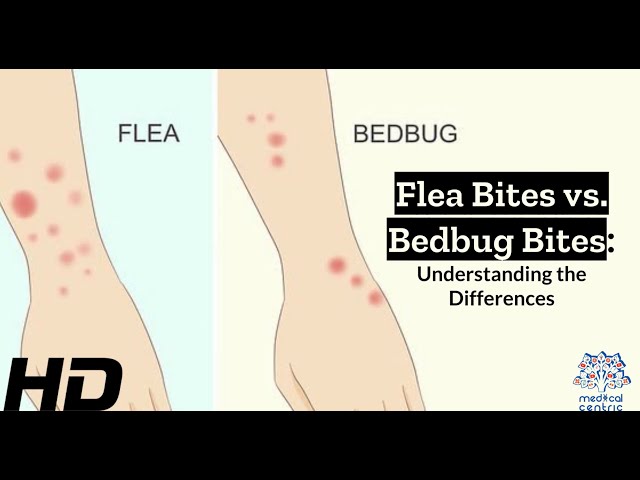

Evidence of tiny, wingless insects infesting sleeping areas can manifest in various ways, often causing discomfort and irritation to those who sleep there. These pests are known for their jumping abilities and their reliance on blood meals from warm-blooded hosts. Finding these insects, their droppings, or the resulting bites are common indicators of an infestation. Addressing the problem quickly is essential to prevent further spread and discomfort.
Signs of Fleas in Bed
One of the most obvious signs is the presence of the insects themselves. Adult fleas are small, dark-colored, and flat-bodied. They are often seen hopping around on bedding, mattresses, or carpets. Their quick movements make them difficult to catch, but a close inspection, especially in areas where pets frequently sleep, can reveal their presence. Fleas are attracted to warmth and carbon dioxide, which makes beds and sleeping areas prime targets.
Another telltale sign is flea dirt, which is essentially flea excrement. This appears as small, dark specks that resemble ground pepper. It is often found on bedding, pet beds, or carpets. If you are unsure whether the specks are flea dirt, try placing them on a damp white paper towel. If they dissolve and leave a reddish-brown stain, it’s likely flea dirt, indicating digested blood.
Bites are a common and often distressing sign. Flea bites typically appear as small, red, itchy bumps, often clustered together. They are commonly found on the ankles, feet, and lower legs. The bites can be intensely itchy and may become inflamed or infected if scratched. Some individuals may also experience an allergic reaction to flea bites, resulting in more severe skin irritation.
Pets frequently sleeping on the bed can be a strong indicator. Fleas prefer animals as hosts and can easily transfer to human bedding. Regularly checking pets for fleas and treating them with appropriate flea control products is crucial for preventing infestations in the home.
Excessive scratching by pets is another sign that fleas might be present in the bed. Animals infested with fleas will often scratch, bite, or lick themselves excessively in an attempt to relieve the itching caused by flea bites. This behavior can lead to hair loss, skin irritation, and secondary infections.
Flea eggs, while tiny and difficult to see, can sometimes be found on bedding. These are small, white, oval-shaped eggs. They are often laid on the host but can fall off onto bedding, carpets, and other surfaces. Finding flea eggs is a clear indication of an infestation.
Flea larvae are small, worm-like creatures that feed on organic matter, including flea dirt. They are often found in dark, protected areas such as in the crevices of mattresses or carpets. While not as readily visible as adult fleas, finding larvae confirms an active infestation.
Pale or restless sleep, particularly in pets, can be a subtle sign of flea infestation. The constant itching and irritation caused by flea bites can disrupt sleep and lead to discomfort. Observing changes in sleeping patterns can be an early indicator of a problem.
Small, dark spots on bedding that don’t resemble flea dirt could be flea pupae. These are the developmental stage between larvae and adult fleas. They are encased in a protective cocoon and can be difficult to detect. Finding pupae signals a well-established infestation.
If you notice any of these signs, taking prompt action is crucial to prevent the infestation from spreading and to alleviate the discomfort caused by fleas. A thorough cleaning of bedding, carpets, and pet areas is essential, along with the use of appropriate flea control products.
Important Points to Consider
-
Regular Inspection:
Regularly inspect your bedding, especially if you have pets, for signs of fleas. This includes checking for live fleas, flea dirt, and flea eggs. Early detection is key to preventing a full-blown infestation. Make this a weekly routine, especially during warmer months.
-
Pet Hygiene:
Maintain good pet hygiene by regularly bathing and grooming your pets. Use flea combs to remove fleas and flea dirt. Consult with a veterinarian about appropriate flea control products for your pets, including preventative treatments. This will help protect both your pets and your home from infestations.
-
Vacuuming:
Thoroughly vacuum your home frequently, paying particular attention to areas where pets spend time and sleep. Vacuuming removes fleas, flea eggs, and larvae, disrupting their life cycle. Empty the vacuum bag or canister immediately after cleaning to prevent fleas from escaping back into the environment.
-
Washing Bedding:
Wash all bedding, including pet bedding, in hot water (at least 130F) and dry on high heat. This will kill fleas and their eggs. Regularly washing bedding, especially during flea season, helps to minimize the risk of infestation. Consider using a laundry additive that targets fleas and their eggs for added protection.
-
Professional Pest Control:
If you suspect a severe infestation, consider contacting a professional pest control service. They can effectively treat your home and provide advice on preventing future infestations. Professional treatments are often more potent and can target hard-to-reach areas. They can also offer long-term solutions to keep your home flea-free.
-
Environmental Control:
Maintaining a clean and dry environment can help deter fleas. Regularly clean and declutter your home, paying attention to areas where pets rest. Reduce humidity levels to make the environment less hospitable for fleas. This creates a less favorable environment for fleas to thrive.
-
Natural Remedies:
Some natural remedies, such as diatomaceous earth, can be used to control fleas. Diatomaceous earth is a non-toxic powder that dehydrates fleas, causing them to die. Sprinkle it in areas where fleas are likely to be found, but be sure to use food-grade diatomaceous earth, as other types can be harmful to pets and humans.
-
Yard Treatment:
If your pets spend time outdoors, treat your yard for fleas as well. This will help prevent fleas from being brought into the home on your pets. There are various yard treatments available, including sprays and granules. Choose a product that is safe for pets and the environment.
-
Regular Monitoring:
Continue to monitor your home for signs of fleas even after treatment. This will help you identify any recurring infestations early on and take appropriate action. Regular vigilance is key to maintaining a flea-free home. Early detection can prevent a small problem from becoming a major infestation.
-
Consult a Veterinarian:
If your pet is experiencing excessive itching or skin irritation, consult a veterinarian. They can diagnose the cause and recommend appropriate treatment. Fleas can transmit diseases to pets, so it’s important to address any flea-related issues promptly. Your veterinarian can also provide guidance on preventative flea control measures.
Tips for Preventing Fleas in Bed
-
Regularly wash pet bedding:
Washing pet bedding frequently in hot water helps eliminate fleas and their eggs, preventing them from transferring to human bedding. This simple step can significantly reduce the risk of infestation. Consider adding a flea-killing laundry additive for extra protection.
-
Use flea combs on pets:
Regularly combing pets with a flea comb can remove adult fleas and flea dirt, preventing them from spreading to bedding and other areas of the home. This is a simple yet effective way to manage flea populations on pets. Dispose of the collected fleas and dirt immediately to prevent re-infestation.
-
Vacuum frequently:
Frequent vacuuming, especially in areas where pets spend time, removes fleas, eggs, and larvae, disrupting their life cycle and preventing infestations. Pay close attention to carpets, rugs, and upholstered furniture. Empty the vacuum bag or canister immediately after use to prevent fleas from escaping.
-
Consider flea treatments for the home:
Flea treatments for the home, such as sprays, foggers, or powders, can help eliminate fleas in carpets, furniture, and bedding. Choose a product that is safe for pets and humans. Follow the instructions carefully and ensure adequate ventilation during and after application.
-
Keep pets off furniture and bedding:
While difficult for some pet owners, keeping pets off furniture and bedding can minimize the transfer of fleas to these areas. Provide comfortable alternative sleeping areas for pets. This can help prevent fleas from establishing themselves in human sleeping areas.
Understanding the flea life cycle is crucial for effective control. Fleas go through four stages: egg, larva, pupa, and adult. By targeting each stage, you can break the cycle and prevent further infestation. This requires a multi-pronged approach that includes treating pets, cleaning the environment, and using appropriate insecticides.
Fleas are not just a nuisance; they can also transmit diseases. Fleas can carry bacteria and parasites that can cause illness in both pets and humans. Some of these diseases can be serious, so it’s important to take flea control seriously. Protecting yourself and your family from flea-borne diseases requires diligent flea management.
Different flea control products are available, ranging from topical treatments to oral medications. Choosing the right product depends on the severity of the infestation, the type of pet, and any existing health conditions. Consulting with a veterinarian is recommended to determine the most appropriate and safe flea control method for your pet.
Preventing fleas in the bed requires a combination of preventative measures and prompt action when signs of infestation are detected. Regular cleaning, pet hygiene, and the use of flea control products are essential for maintaining a flea-free environment. By taking proactive steps, you can protect your home and family from these pesky insects.
Fleas thrive in warm, humid environments. Controlling humidity levels in your home can make it less hospitable for fleas. Using dehumidifiers, ensuring proper ventilation, and fixing any leaks can help reduce humidity and deter flea infestations. Creating a less favorable environment can significantly impact flea populations.
Regularly washing pet bedding is a crucial step in flea control. Fleas and their eggs can accumulate in pet bedding, providing a breeding ground for infestations. Washing bedding in hot water and drying on high heat kills fleas and their eggs, preventing them from spreading to other areas of the home.
Vacuuming is a highly effective method for removing fleas, flea dirt, and flea eggs from carpets, rugs, and upholstery. Regular vacuuming, especially in areas where pets spend time, disrupts the flea life cycle and helps prevent infestations. Emptying the vacuum bag or canister immediately after use prevents fleas from escaping.
Professional pest control services can provide comprehensive flea control solutions. They can assess the extent of the infestation, recommend appropriate treatment methods, and provide long-term prevention strategies. Professional treatments are often more potent and can target hard-to-reach areas, ensuring effective flea elimination.
Maintaining a clean and clutter-free environment can help deter fleas. Regularly cleaning and decluttering your home, especially areas where pets rest, reduces hiding places for fleas and makes it easier to spot signs of infestation. A clean home is a less hospitable environment for fleas.
Frequently Asked Questions
John: How often should I wash my bedding to prevent fleas?
Professional: Washing bedding, including pet bedding, weekly in hot water (at least 130F) and drying on high heat is recommended to effectively kill fleas and their eggs. This frequency is especially important during warmer months or if you have pets that spend time on the bed.
Sarah: What are the signs of a flea infestation on my pet?
Professional: Common signs include excessive scratching, biting, or licking, especially around the base of the tail, neck, and belly. You might also see flea dirt (small black specks) on their fur, or even the fleas themselves. If you suspect your pet has fleas, consult a veterinarian for appropriate treatment options.
Ali: Are there any natural ways to get rid of fleas in my bed?
Professional: While natural remedies like diatomaceous earth can help, they are often not as effective as conventional treatments. Diatomaceous earth can dehydrate fleas, but it’s crucial to use food-grade diatomaceous earth and follow instructions carefully. For severe infestations, professional pest control is often the most effective solution.
Maria: How can I prevent fleas from coming back after treatment?
Professional: Consistent preventative measures are key. This includes regular cleaning, vacuuming, washing bedding frequently, treating pets with preventative flea medication, and potentially treating your yard as well. Regularly inspect your home and pets for any signs of fleas to catch re-infestations early. Consult a veterinarian for ongoing preventative care for your pets.
Youtube Video: