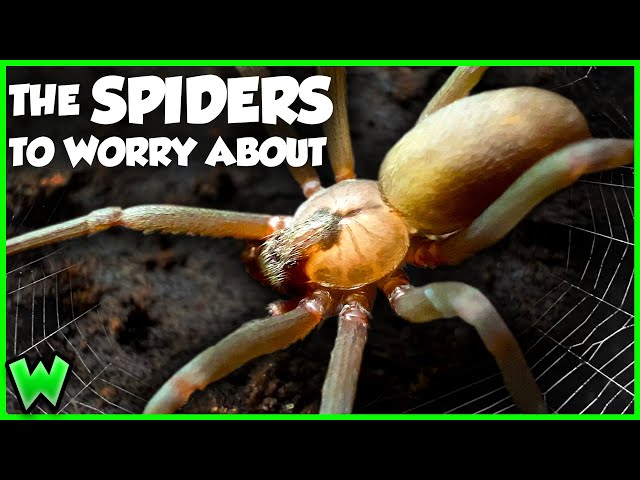

Dangerous arachnids inhabiting a specific mid-Atlantic region pose potential health risks to residents and visitors. Encounters with these creatures, while often harmless, can sometimes lead to unpleasant and occasionally medically significant consequences. Understanding which species to be wary of and how to react to them is crucial for minimizing potential harm. Proper identification and preventative measures can significantly reduce the likelihood of negative interactions.
Spiders to Watch Out for in Northern Virginia
The black widow spider, recognizable by its shiny black body and red hourglass marking, is a venomous species found in Northern Virginia. Their venom is neurotoxic, affecting the nervous system, and bites require immediate medical attention. Black widows tend to prefer dark, secluded areas like woodpiles and sheds. These spiders are not aggressive and will only bite if they feel threatened or trapped.
Brown recluse spiders, while less common in Northern Virginia than further south, are another species of concern. Their venom is necrotic, meaning it causes tissue damage around the bite area. These spiders are light brown with a characteristic fiddle-shaped marking on their back. They are often found in undisturbed areas like closets, attics, and storage boxes.
The yellow sac spider is a common household pest in Northern Virginia. While their bite is not as severe as the black widow or brown recluse, it can still be painful and cause localized swelling and redness. These spiders are pale yellow to light brown and build small, silken sacs where they hide during the day. They are active hunters, often found roaming indoors at night.
Wolf spiders, though large and hairy, are not considered medically significant. Their bite is comparable to a bee sting and typically only causes mild pain and swelling. These spiders are active hunters and do not build webs, instead chasing down their prey. They play a beneficial role in controlling insect populations.
The bold jumping spider is another common spider in the region, easily identified by its large eyes and often iridescent markings. These spiders are active hunters and are not considered dangerous to humans. Their bite is typically harmless, causing only minor irritation. They are known for their impressive jumping abilities, used for both hunting and escaping predators.
Grass spiders are common in gardens and grassy areas, building funnel-shaped webs to catch insects. They are not considered dangerous to humans and their bites rarely cause more than mild irritation. These spiders play a vital role in controlling pest populations in gardens and yards.
Orb-weaver spiders are known for their large, intricate webs often found in gardens and forests. They are not considered dangerous to humans and their bites are harmless. These spiders are beneficial, helping to control flying insect populations.
Cellar spiders, also known as daddy longlegs, are often found in dark, damp areas like basements and cellars. They are not dangerous to humans and their bites are harmless. They feed on other insects and spiders, helping to control pest populations.
Important Points to Remember
-
Proper Identification:
Accurate identification of spider species is crucial for determining the potential risk. Learning to recognize venomous spiders like the black widow and brown recluse is essential for taking appropriate precautions. Misidentification can lead to unnecessary anxiety or, conversely, a lack of caution when warranted. Resources like online guides and local extension offices can assist with identification.
-
Habitat Awareness:
Understanding the preferred habitats of venomous spiders can help minimize encounters. Be cautious when working in dark, undisturbed areas like woodpiles, sheds, and storage spaces. Wearing gloves and long sleeves can provide an extra layer of protection. Regularly cleaning and decluttering these areas can also help deter spiders.
-
First Aid Measures:
Knowing the appropriate first aid measures for spider bites is important. In the case of a black widow or brown recluse bite, seek immediate medical attention. For less severe bites, cleaning the wound with soap and water and applying a cold compress can help reduce pain and swelling. Over-the-counter pain relievers can also provide relief.
-
Professional Pest Control:
If you suspect a significant spider infestation, consider contacting a professional pest control service. They can effectively eliminate spider populations and implement preventative measures to discourage future infestations. Professional pest control services have the expertise and tools to safely and effectively manage spider populations.
-
Educating Children:
Teaching children about spider safety is important. Encourage them not to disturb spiders and to inform an adult if they encounter one. Explain the potential dangers of some spider species and emphasize the importance of caution. Making spider safety a family discussion can empower children to make safe choices.
-
Shake Out Clothing and Shoes:
Before putting on clothing or shoes that have been stored, shake them out thoroughly. Spiders may seek shelter in these items, and shaking them out can prevent accidental bites. This simple precaution can significantly reduce the risk of encountering a spider.
-
Regular Inspections:
Regularly inspect your home for spider activity, paying particular attention to dark, undisturbed areas. Early detection of spider presence can allow for prompt action to prevent infestations. Regular inspections can also help identify potential entry points for spiders.
Tips for Preventing Spider Encounters
-
Reduce Clutter:
Reducing clutter in and around your home eliminates potential hiding places for spiders. Keeping storage areas organized and free of debris makes these spaces less attractive to spiders. Regular cleaning and decluttering also helps prevent other pest infestations that may attract spiders.
-
Seal Cracks and Crevices:
Sealing cracks and crevices in walls, windows, and doors can prevent spiders from entering your home. This simple measure can significantly reduce the number of spiders indoors. Weather stripping and caulking can be effective tools for sealing gaps.
-
Outdoor Lighting:
Minimize outdoor lighting near your home, as this can attract insects, which in turn attract spiders. Switching to yellow bug lights can reduce the attraction for insects. Positioning lights away from the house can further deter insects and spiders.
-
Vegetation Management:
Keeping vegetation trimmed away from your home’s foundation can discourage spiders from establishing webs and seeking shelter near your house. Regularly mowing the lawn and pruning shrubs creates a less hospitable environment for spiders. Removing leaf litter and debris further reduces potential hiding places.
Northern Virginia’s diverse ecosystem supports a variety of spider species, most of which are harmless and play beneficial roles in the environment. These spiders help control insect populations, contributing to a balanced ecosystem. Understanding the difference between harmless and potentially dangerous spiders is essential for peaceful coexistence.
The climate in Northern Virginia provides suitable conditions for many spider species to thrive. The warm, humid summers and mild winters allow for year-round activity for some species. This climate also supports a diverse insect population, providing ample food sources for spiders.
Spider bites can range in severity from mild irritation to medically significant reactions. Factors such as the species of spider, the amount of venom injected, and individual sensitivity can influence the severity of the reaction. Seeking medical attention when necessary is crucial for proper treatment.
Prevention is the best approach when it comes to minimizing the risk of spider bites. Taking proactive steps to reduce spider populations around your home and practicing caution in areas where spiders are likely to be present can significantly reduce the likelihood of encounters.
Spiders play a vital role in the food chain, serving as both predators and prey. They help regulate insect populations, preventing outbreaks and maintaining a balance within the ecosystem. Their presence is essential for a healthy environment.
Fear of spiders, known as arachnophobia, is a common phobia. While a healthy respect for potentially dangerous spiders is warranted, excessive fear can be debilitating. Seeking professional help can assist individuals in managing their phobia and developing coping mechanisms.
Misconceptions about spiders often contribute to unnecessary fear and anxiety. Educating oneself about spider behavior and the roles they play in the environment can help dispel myths and promote a more informed perspective.
Citizen science initiatives, such as reporting spider sightings, can contribute to valuable data collection and research. This information can help scientists better understand spider distribution, behavior, and potential impacts on human health and the environment.
Ongoing research on spider venom is leading to advancements in various fields, including medicine and agriculture. Spider venom components are being studied for their potential use in developing new treatments for various ailments and as biopesticides.
Understanding spider behavior and ecology is essential for developing effective pest management strategies. Targeted approaches that minimize environmental impact while effectively controlling spider populations are crucial for maintaining a healthy and balanced ecosystem.
Frequently Asked Questions
John: I found a spider in my basement. Should I be worried?
Professional: Not necessarily. Most spiders found in basements are harmless. However, it’s important to try to identify the spider if possible. If you are concerned, contact a pest control professional for assistance.
Sarah: What should I do if I get bitten by a spider?
Professional: Wash the bite area with soap and water and apply a cold compress. If you experience any severe symptoms, such as difficulty breathing or muscle cramps, seek immediate medical attention. Try to capture the spider, if possible, for identification purposes.
Ali: How can I keep spiders out of my house?
Professional: Seal cracks and crevices, reduce clutter, keep vegetation trimmed away from your foundation, and minimize outdoor lighting near your home. Regular cleaning and pest control measures can also help.
Maria: Are all spiders venomous?
Professional: All spiders possess venom glands, but not all spider venom is harmful to humans. Most spider bites cause only minor irritation, similar to a bee sting. However, some species, like the black widow and brown recluse, have venom that can cause more severe reactions.
David: I’m afraid of spiders. What can I do?
Professional: Fear of spiders is common. Learning more about spiders and their beneficial roles in the environment can sometimes help alleviate fear. If your fear is impacting your daily life, consider seeking professional help from a therapist specializing in phobias.
Lisa: I saw a spider with a red hourglass marking. What should I do?
Professional: This sounds like a black widow spider. Do not attempt to handle it. Contact a pest control professional to safely remove the spider.
Youtube Video: