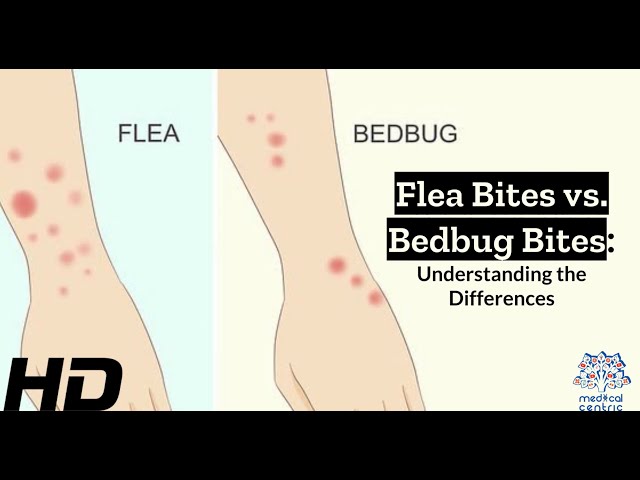


Small, itchy welts appearing in clusters or lines on skin exposed during sleep are often the first noticeable signs of a particular pest infestation. These marks can be mistaken for other insect bites or skin irritations, making proper identification crucial for effective treatment and eradication. Reactions vary depending on individual sensitivity, with some people showing no visible signs while others experience pronounced inflammation. Accurate diagnosis involves considering the appearance of the welts, their location, and the presence of other indicators like shed skins or fecal spots.
What do bed bug bites look like?
Bed bug bites typically manifest as small, red, raised bumps on the skin. These bumps often appear in clusters or lines, reflecting the bed bug’s feeding pattern. The bites can be intensely itchy, causing discomfort and disruption to sleep. Reactions can vary significantly among individuals, with some experiencing no visible reaction while others develop large, inflamed welts.
The appearance of bed bug bites can be easily confused with other insect bites, such as mosquito or flea bites. However, bed bug bites tend to appear in groups of three or more, often referred to as “breakfast, lunch, and dinner.” This pattern is due to the bed bug’s tendency to feed multiple times in a single session. The bites are usually found on exposed skin areas, such as the face, neck, arms, and legs.
Itching is a common symptom of bed bug bites. The itching sensation is caused by the bed bug’s saliva, which contains anticoagulants and anesthetic agents. While these agents prevent the person from feeling the bite during feeding, they can trigger an allergic reaction in some individuals, leading to intense itching and inflammation. Scratching the bites can further irritate the skin and increase the risk of secondary infection.
The severity of the reaction to bed bug bites varies depending on individual sensitivity. Some people may show no visible signs of being bitten, while others may develop large, red welts accompanied by intense itching and discomfort. In rare cases, individuals may experience a severe allergic reaction, requiring medical attention. Repeated exposure to bed bug bites can also lead to increased sensitivity and more pronounced reactions over time.
Identifying bed bug bites can be challenging, particularly in the early stages of an infestation. Careful examination of the affected area is crucial. Look for small, red bumps arranged in clusters or lines, typically on exposed skin. The presence of other signs, such as shed skins, fecal spots, or a musty odor in the bedroom, can further support the diagnosis of a bed bug infestation.
Differentiating bed bug bites from other insect bites requires considering several factors. Mosquito bites tend to be more dispersed and less organized than bed bug bites. Flea bites are often concentrated around the ankles and feet. Hives, while itchy, appear as raised, irregularly shaped welts and are typically associated with allergic reactions rather than insect bites.
If you suspect you have bed bug bites, it’s essential to avoid scratching the affected area. Scratching can break the skin, increasing the risk of infection. Applying a topical anti-itch cream or taking an oral antihistamine can help alleviate the itching sensation. If the bites are severe or accompanied by other symptoms, consult a healthcare professional.
Confirming a bed bug infestation requires a thorough inspection of the bedroom, particularly the bed and surrounding areas. Look for signs of bed bugs, such as live insects, shed skins, fecal spots, and eggs. A professional pest control service can provide a definitive diagnosis and recommend appropriate treatment options.
Effective treatment for bed bug bites focuses on alleviating the itching and preventing secondary infection. Topical creams and oral antihistamines can provide relief from itching. Keeping the affected area clean and avoiding scratching can help prevent infection. Eradicating the bed bug infestation is crucial to prevent further bites.
Preventing bed bug infestations requires vigilance and proactive measures. Regularly inspect mattresses, bedding, and furniture for signs of bed bugs. Use mattress encasements to prevent bed bugs from harboring in the mattress. Be cautious when bringing used furniture or luggage into the home. Early detection and prompt treatment are essential for preventing infestations from becoming established.
Important Points to Consider
-
Location of Bites:
Bed bug bites typically appear on exposed skin areas while sleeping, such as the face, neck, arms, and legs. These areas are readily accessible to the bed bugs as they emerge from their hiding places. Bites may also appear under loose clothing. Examining these areas carefully is crucial for identifying bed bug bites.
-
Appearance of Bites:
Bed bug bites present as small, red, raised bumps, often clustered together in lines or zig-zag patterns. They can resemble mosquito or flea bites, but the grouping and location are key distinguishing factors. Individual reactions vary, with some people exhibiting no reaction while others develop larger welts.
-
Itching Sensation:
Intense itching is a hallmark of bed bug bites, caused by the bed bug’s saliva injected during feeding. This itching can be persistent and disruptive to sleep. Scratching should be avoided to prevent secondary skin infections. Over-the-counter anti-itch creams can provide relief.
-
Timing of Bites:
Bed bug bites typically appear after a night’s sleep, as bed bugs are primarily nocturnal feeders. The bites may not be immediately noticeable, as the reaction can take several hours or even days to develop. Monitoring for new bites after sleeping in a potentially infested area is important.
-
Allergic Reactions:
Some individuals experience more severe allergic reactions to bed bug bites, developing large, inflamed welts or blisters. In rare cases, systemic reactions can occur, requiring medical attention. Individuals with known sensitivities should take extra precautions to avoid bed bug exposure.
-
Other Signs of Infestation:
Beyond the bites themselves, other signs can indicate a bed bug infestation. These include small, dark fecal spots on bedding or mattresses, shed skins, and a musty odor in the bedroom. Finding these signs warrants a thorough inspection and potential professional pest control intervention.
-
Distinguishing from Other Bites:
Differentiating bed bug bites from other insect bites can be challenging. Mosquito bites are usually more randomly distributed, while flea bites tend to cluster around the ankles and feet. Hives present as raised, irregular welts and are associated with allergic reactions rather than insect bites.
-
Treatment for Bites:
Treatment for bed bug bites primarily focuses on managing the itching and preventing infection. Topical anti-itch creams, oral antihistamines, and cool compresses can provide relief. Scratching should be avoided. Consulting a healthcare professional is recommended for severe reactions.
-
Preventing Bed Bug Bites:
Preventing bed bug infestations is the most effective way to avoid bites. Regularly inspect mattresses and bedding, use mattress encasements, and be cautious when bringing used furniture or luggage into the home. Professional pest control services can provide preventative treatments and guidance.
Tips for Dealing with Bed Bug Bites
-
Avoid Scratching:
Scratching bed bug bites can worsen the itching and increase the risk of infection. Keep fingernails trimmed short and consider wearing gloves at night to prevent scratching during sleep. Applying cool compresses can also help soothe the itch.
-
Apply Anti-itch Cream:
Over-the-counter hydrocortisone creams or calamine lotion can provide relief from itching. Follow product instructions carefully. If the itching is severe, consult a pharmacist or doctor for stronger options.
-
Take Oral Antihistamines:
Oral antihistamines, such as diphenhydramine (Benadryl), can help reduce itching and inflammation. These medications can cause drowsiness, so use them cautiously, especially during the daytime. Follow dosage instructions carefully.
-
Clean the Bites:
Gently wash the affected area with soap and water to remove dirt and bacteria, reducing the risk of infection. Avoid harsh scrubbing, as this can irritate the skin further. Pat the area dry with a clean towel.
-
Consult a Doctor if Necessary:
If the bites are severe, infected, or accompanied by other symptoms like fever or difficulty breathing, consult a doctor immediately. They can provide appropriate medical treatment and rule out other potential causes.
Understanding the lifecycle of bed bugs is crucial for effective control. Bed bugs undergo several stages of development, from egg to adult. Each stage requires specific treatment strategies for eradication. Knowing the signs of each stage can help identify the level of infestation.
Bed bugs are adept at hiding in crevices and cracks, making detection challenging. They can infest mattresses, box springs, bed frames, furniture, and even electrical outlets. Thorough inspections are necessary to locate and eliminate all potential harborage sites.
Professional pest control services are often the most effective approach to eradicating bed bug infestations. Pest control professionals have the knowledge, experience, and specialized tools to identify and eliminate bed bugs effectively. They can also provide guidance on preventative measures.
Preventing bed bug infestations requires vigilance and proactive measures. Regularly inspect mattresses and bedding, use mattress encasements, and be cautious when bringing used furniture or luggage into the home. Early detection is key to preventing infestations from becoming established.
The social and psychological impact of bed bug infestations can be significant. The constant itching and anxiety associated with bed bugs can disrupt sleep, lead to stress, and even cause social isolation. Seeking support and professional help can help individuals cope with these challenges.
Public awareness and education are crucial for combating bed bug infestations. Understanding the signs of bed bugs, prevention methods, and treatment options can empower individuals to take proactive steps to protect themselves and their homes.
Research into new and more effective bed bug control methods is ongoing. Scientists are exploring various approaches, including biological control agents, heat treatments, and innovative pesticides, to combat the growing resistance of bed bugs to traditional treatments.
Collaboration between researchers, pest control professionals, and public health agencies is essential for developing comprehensive strategies to address the challenges posed by bed bug infestations. Sharing information and best practices can help improve prevention and control efforts.
The economic impact of bed bug infestations can be substantial. Costs associated with pest control treatments, furniture replacement, and lost productivity can quickly accumulate. Implementing preventative measures can help minimize these costs.
Travelers are particularly vulnerable to bed bug infestations. Inspecting hotel rooms for signs of bed bugs, keeping luggage off the floor, and laundering clothes immediately after returning home can help prevent bringing bed bugs into the home.
Frequently Asked Questions
John: How long do bed bug bites last?
Professional: The duration of bed bug bites varies depending on individual sensitivity and the severity of the reaction. Typically, the bites will disappear within one to two weeks. However, in some cases, the itching and inflammation may persist for longer. Proper treatment and avoiding scratching can help expedite the healing process.
Sarah: Are bed bugs dangerous?
Professional: While bed bugs are not known to transmit diseases, their bites can cause significant discomfort and disruption to sleep. The intense itching can lead to excessive scratching, increasing the risk of secondary skin infections. In rare cases, individuals may experience severe allergic reactions requiring medical attention.
Ali: How can I tell if I have bed bugs?
Professional: Look for small, red, itchy bumps on your skin, often appearing in clusters or lines. Other signs include dark fecal spots on bedding, shed skins, and a musty odor in the bedroom. A thorough inspection of the bed and surrounding areas is crucial for confirming an infestation.
Maria: What should I do if I find bed bugs in my home?
Professional: Contact a qualified pest control professional immediately. They have the expertise and tools to effectively eliminate bed bug infestations. Attempting to treat the infestation yourself is often ineffective and can even worsen the problem. Follow the pest control professional’s recommendations carefully.
David: How can I prevent bed bugs when traveling?
Professional: Inspect hotel rooms carefully upon arrival, checking mattresses, bedding, and furniture for signs of bed bugs. Keep luggage off the floor and store it in a designated luggage rack or in the bathroom. Launder clothes immediately upon returning home and inspect luggage thoroughly.
Emily: Can bed bugs live in clean homes?
Professional: Yes, bed bugs can infest even the cleanest homes. They are not attracted to dirt or filth but rather to the presence of a blood meal. They can be introduced through luggage, used furniture, or even on clothing. Regular inspections and preventative measures are crucial, regardless of cleanliness.
Youtube Video: