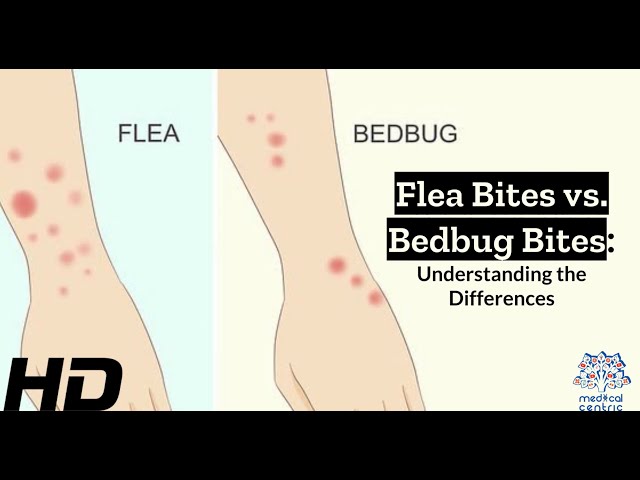

Nocturnal insect bites often result in small, itchy welts appearing in clusters or lines on the skin. These bites typically occur on exposed areas like the face, neck, arms, and hands. Reactions can vary from mild irritation to significant allergic responses in certain individuals. Identifying the source of these bites is crucial for effective treatment and prevention of further infestations. Understanding the nature of the insect and its habits can help in implementing proper control measures.
For instance, waking up with itchy red marks, especially after traveling, could indicate exposure to these pests. Another example might be noticing small dark spots on bedding or furniture, which could be fecal matter from the insects. Investigating these signs promptly can prevent a minor nuisance from escalating into a larger infestation. Proper identification of the insect is key to selecting the right treatment strategy.
when bed bugs bite you
Bed bug bites are often initially painless, making them difficult to detect immediately. The reaction to the bites can manifest hours or even days later. This delayed reaction can make it challenging to pinpoint the source of the irritation. The bites themselves appear as small, red, and often itchy welts, sometimes resembling mosquito bites.
These welts can appear in clusters or lines, a characteristic pattern indicative of bed bug feeding habits. The insects tend to feed in a localized area, moving along the skin as they bite. This behavior results in the distinctive linear arrangement of the bites. Its important to note that the reaction to bed bug bites can vary considerably from person to person.
Some individuals experience minimal reaction, with only slight redness and itching. Others may develop more pronounced welts, intense itching, and even allergic reactions. In rare cases, severe allergic reactions can occur, requiring medical attention. Therefore, understanding individual sensitivities is important in managing bed bug bites effectively.
The itching associated with bed bug bites can be quite persistent and disruptive. Scratching the bites can lead to secondary skin infections. It’s crucial to resist the urge to scratch and to treat the bites with appropriate remedies. Over-the-counter antihistamines and topical creams can help alleviate the itching and reduce inflammation.
Bed bugs are primarily active at night, emerging from their hiding places to feed on human blood. They are attracted to the warmth and carbon dioxide emitted by sleeping individuals. Their flattened bodies allow them to easily conceal themselves in crevices and cracks in mattresses, furniture, and walls. This makes them difficult to detect and eradicate.
Identifying bed bugs requires careful inspection of potential hiding places. Look for small, reddish-brown insects, about the size of an apple seed. Also, check for dark spots (fecal matter) and shed skins. Early detection is essential for effective bed bug control.
If you suspect a bed bug infestation, it’s crucial to take action promptly. Contact a qualified pest control professional for a thorough inspection and treatment. Professional pest control services have the expertise and specialized equipment necessary to effectively eliminate bed bugs. Attempting to treat a bed bug infestation on your own can often be ineffective and may even exacerbate the problem.
Preventing bed bug infestations requires vigilance, especially when traveling. Inspect hotel rooms carefully before unpacking. Avoid placing luggage directly on the floor. When returning home, wash all clothing and luggage in hot water and dry on high heat. These precautions can significantly reduce the risk of bringing bed bugs into your home.
Important Points to Remember
- Bites are often painless initially: Bed bug bites often go unnoticed initially as they are typically painless. The reaction, including itching and welts, may develop hours or even days later, making it difficult to connect the symptoms to the bites immediately. This delayed reaction can contribute to the spread of the infestation as individuals may unknowingly transport the bugs to new locations. Therefore, vigilance and regular inspection for signs of bed bugs are crucial, especially after traveling or staying in unfamiliar accommodations.
- Appearance of bites: Bed bug bites typically appear as small, red, itchy welts, often clustered together or in a line. They can resemble mosquito bites or other insect bites, making accurate identification challenging. The welts may be raised and surrounded by a slightly inflamed area. The size and severity of the reaction can vary depending on individual sensitivity and the number of bites received.
- Varied reactions: Reactions to bed bug bites can range from mild to severe. Some individuals may experience only slight redness and itching, while others may develop larger welts, intense itching, and even allergic reactions. In rare cases, severe allergic reactions can occur, requiring medical attention. Understanding individual reactions is essential for appropriate treatment and management.
- Nocturnal feeding habits: Bed bugs are primarily nocturnal insects, meaning they are most active at night. They are attracted to the warmth and carbon dioxide emitted by sleeping humans. This is why bed bug bites are typically found on exposed skin areas, such as the face, neck, arms, and hands. Knowing their feeding habits can help in implementing preventative measures.
- Hiding places: Bed bugs are adept at hiding in crevices and cracks, making them difficult to detect. They can be found in mattresses, box springs, bed frames, furniture, and even behind wallpaper or electrical outlets. Thorough inspections of these areas are essential for identifying and eradicating infestations. Professional pest control services often use specialized tools and techniques to locate hidden bed bugs.
- Professional pest control: Effective bed bug eradication often requires professional pest control services. These professionals have the expertise and specialized equipment necessary to eliminate bed bugs completely. Attempting DIY methods can be ineffective and may even worsen the infestation. Professional treatment typically involves a combination of chemical and non-chemical methods tailored to the specific situation.
- Preventative measures: Preventing bed bug infestations involves vigilance and proactive measures. Inspecting hotel rooms before unpacking, avoiding placing luggage on the floor, and washing all clothing and luggage in hot water after traveling can significantly reduce the risk of bringing bed bugs home. Regularly checking mattresses and furniture for signs of bed bugs is also important for early detection and prevention.
- Importance of early detection: Early detection of bed bugs is crucial for preventing a minor infestation from escalating into a major problem. Regularly inspecting mattresses, bedding, and furniture for signs of bed bugs, such as dark spots or shed skins, can help identify an infestation early on. Prompt action, including contacting a pest control professional, is essential for effective treatment and containment.
Tips for Dealing with Bed Bug Bites
- Avoid scratching: Scratching bed bug bites can exacerbate the itching and increase the risk of secondary skin infections. Keeping the bites clean and applying soothing topical creams can help reduce the urge to scratch. Trimming fingernails short can also minimize damage from unintentional scratching during sleep.
- Over-the-counter remedies: Over-the-counter antihistamine creams or oral medications can help alleviate itching and reduce inflammation. These remedies are readily available and can provide temporary relief from the discomfort of bed bug bites. Consult a pharmacist or doctor if you have any concerns about using these medications.
- Cold compresses: Applying a cold compress to the affected area can help soothe the itching and reduce swelling. Wrap a few ice cubes in a clean cloth and apply to the bites for 10-15 minutes at a time. This simple remedy can provide significant relief from the discomfort of bed bug bites.
- Consult a doctor: If you experience a severe allergic reaction to bed bug bites, such as difficulty breathing or swelling of the face, seek medical attention immediately. Allergic reactions can be serious and require prompt medical intervention. A doctor can prescribe stronger medications to manage the allergic reaction and prevent complications.
Bed bugs are small, wingless insects that feed solely on the blood of warm-blooded animals, including humans. They are typically reddish-brown in color and have flattened, oval-shaped bodies. These insects are resilient and can survive for extended periods without feeding. Their ability to hide in small crevices makes them notoriously difficult to eradicate.
The life cycle of a bed bug consists of several stages, from egg to adult. Female bed bugs can lay hundreds of eggs in their lifetime. These eggs are tiny and white, making them difficult to spot with the naked eye. Understanding the bed bug life cycle is crucial for effective pest control, as different treatment methods target different stages of development.
Bed bugs are not known to transmit diseases. However, their bites can cause significant discomfort and anxiety. The persistent itching and visible welts can be distressing, especially for children. The psychological impact of a bed bug infestation can also be significant, leading to sleep disturbances and stress.
Bed bugs are a global problem, affecting people of all socioeconomic backgrounds. They are often transported unknowingly through luggage, furniture, and clothing. The increasing prevalence of international travel has contributed to the spread of bed bugs worldwide. Effective control measures require a multi-pronged approach, including public awareness, professional pest control, and preventative measures.
The social stigma associated with bed bugs often prevents people from seeking help. This can lead to infestations becoming more widespread and difficult to control. It’s important to remember that bed bugs are not a sign of uncleanliness and can infest even the cleanest homes. Open communication and prompt action are essential for effective bed bug management.
Early detection of bed bugs is crucial for preventing infestations from becoming established. Regularly inspecting mattresses, bedding, and furniture for signs of bed bugs, such as dark spots or shed skins, can help identify an infestation in its early stages. Prompt action, including contacting a pest control professional, is essential for effective treatment and containment.
Professional pest control services use a variety of methods to eliminate bed bugs. These methods may include chemical treatments, heat treatments, and vacuuming. The specific approach used will depend on the severity of the infestation and the specific circumstances of the property. It’s crucial to follow the pest control professional’s instructions carefully to ensure effective treatment.
Preventing bed bug infestations requires ongoing vigilance and proactive measures. Regularly inspecting mattresses and furniture, using mattress encasements, and being cautious when bringing used furniture or luggage into the home can significantly reduce the risk of infestation. Public awareness campaigns and educational resources can also play a vital role in preventing the spread of bed bugs.
Frequently Asked Questions
John: How can I tell if I have bed bugs?
Professional: Look for small, reddish-brown insects, about the size of an apple seed, in mattress seams, bed frames, and furniture crevices. Also, check for dark spots (fecal matter) and shed skins on bedding. Unexplained itchy bites, particularly in clusters or lines, are another strong indicator.
Sarah: What should I do if I find bed bugs in my hotel room?
Professional: Immediately notify hotel management and request a different room, preferably on a different floor. Inspect your luggage carefully before bringing it into the new room. Upon returning home, wash all clothing and luggage in hot water and dry on high heat to prevent bringing bed bugs into your home.
Ali: Are bed bugs dangerous?
Professional: While bed bugs are not known to transmit diseases, their bites can cause itchy welts and discomfort. Some individuals may experience allergic reactions. The psychological impact of an infestation can also be significant, causing stress and anxiety.
Maria: Can I get rid of bed bugs myself?
Professional: While some DIY methods may offer temporary relief, completely eradicating bed bugs is challenging without professional help. Pest control professionals have the expertise, equipment, and specialized treatments necessary for effective elimination. They can also identify the extent of the infestation and recommend appropriate preventative measures.
David: How can I prevent bed bugs when traveling?
Professional: Inspect hotel room mattresses, headboards, and furniture for signs of bed bugs. Use luggage racks and avoid placing luggage directly on the floor. Keep clothing in sealed plastic bags. Upon returning home, wash all clothing and luggage in hot water and dry on high heat.
Youtube Video: