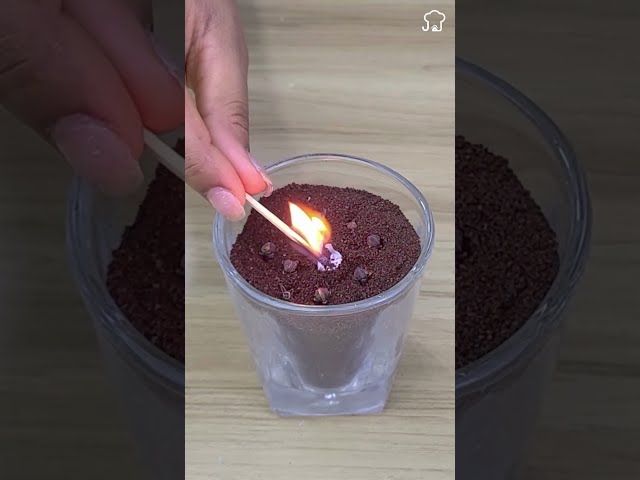


Eliminating these unwelcome flying insects from indoor spaces involves a multi-pronged approach. This includes preventative measures to deter their entry and active methods to eradicate existing infestations. Effective strategies often combine eliminating breeding grounds, using barriers, and deploying various control measures. Successfully managing these pests requires diligence and a comprehensive understanding of their lifecycle and habits.
how to get rid of house mosquitoes
One of the most effective ways to control mosquito populations indoors is to eliminate standing water. Mosquitoes breed in stagnant water, so removing sources like flowerpot saucers, clogged gutters, and leaky pipes is crucial. Regularly changing the water in birdbaths and pet bowls also disrupts the breeding cycle. This proactive approach can significantly reduce the number of mosquitoes entering your home.
Installing screens on windows and doors acts as a physical barrier, preventing mosquitoes from entering the house. Ensure the screens are in good repair and fit snugly within the frames. Even small gaps can allow these tiny insects access. Using a sealant to close any openings around pipes or vents further enhances protection.
Mosquito repellents, available in various forms like sprays, lotions, and coils, can deter mosquitoes. Choose a repellent containing DEET, picaridin, or oil of lemon eucalyptus, following the manufacturer’s instructions carefully. These repellents create an unpleasant scent barrier that discourages mosquitoes from landing on skin or clothing.
Electric mosquito traps, often equipped with UV lights and fans, attract and capture mosquitoes. These traps can be effective in reducing the indoor mosquito population, especially in areas with high mosquito activity. Positioning the traps strategically near entry points or areas where mosquitoes tend to congregate can maximize their effectiveness.
Natural methods, such as planting mosquito-repelling plants like citronella, lavender, and marigolds, can offer some deterrent effect. These plants release fragrances that mosquitoes find unpleasant. While not as potent as chemical repellents, they provide a natural and aesthetically pleasing option.
Keeping indoor spaces clean and clutter-free can also help reduce mosquito hiding places. Mosquitoes often rest in dark, undisturbed areas. Regularly cleaning and decluttering removes potential harborage sites, making the environment less conducive to mosquito infestation.
Ceiling fans can disrupt mosquito flight patterns, making it difficult for them to land and bite. The air currents created by the fan interfere with their ability to navigate and hover. This simple strategy can be surprisingly effective in reducing mosquito bites, particularly in bedrooms and living areas.
In cases of severe infestations, professional pest control services may be necessary. These professionals can identify the source of the infestation and implement targeted treatment strategies. They may use specialized insecticides or other methods to effectively eradicate the mosquito population.
Maintaining proper ventilation and airflow within the house can also help deter mosquitoes. Mosquitoes prefer still, humid air. Adequate ventilation helps reduce humidity and creates an environment less favorable to mosquitoes. Using exhaust fans in kitchens and bathrooms can further improve airflow.
Finally, educating household members about mosquito prevention practices is essential for long-term control. This includes emphasizing the importance of eliminating standing water, using repellents, and keeping doors and windows screened. A collaborative effort from everyone in the household can significantly contribute to a mosquito-free environment.
Important Points to Consider
- Source Reduction: Eliminating standing water is paramount. Mosquitoes require water to breed, so removing or treating any stagnant water sources, no matter how small, is crucial. This includes emptying flowerpot saucers, cleaning gutters, and ensuring proper drainage around the property. Addressing these breeding grounds directly tackles the root of the problem.
- Physical Barriers: Installing and maintaining screens on windows and doors provides a robust defense. Ensure screens are properly fitted and free of holes or tears. This simple barrier effectively prevents mosquitoes from entering the home, offering a passive yet effective solution.
- Repellents: Utilizing mosquito repellents containing effective ingredients like DEET or picaridin creates a protective barrier. Apply repellents to exposed skin, following the manufacturer’s instructions. These repellents disrupt the mosquito’s ability to locate and bite humans.
- Traps: Electric mosquito traps can be a useful addition to an integrated pest management strategy. These traps lure mosquitoes with light and then capture them using fans or sticky pads. They provide a non-chemical method for reducing mosquito populations.
- Natural Methods: Incorporating mosquito-repelling plants can offer a natural deterrent. Plants like citronella, lavender, and marigolds emit fragrances that mosquitoes find unpleasant. While not a complete solution, they can contribute to a mosquito-unfriendly environment.
- Cleanliness: Maintaining a clean and clutter-free indoor environment reduces mosquito resting places. Mosquitoes often seek shelter in dark, undisturbed areas. Regular cleaning eliminates these potential hiding spots, making the home less inviting.
- Air Circulation: Utilizing fans can disrupt mosquito flight patterns. The air currents created by fans make it difficult for mosquitoes to navigate and land, reducing their ability to bite. This simple measure can offer significant relief.
- Professional Help: In cases of persistent or severe infestations, seeking professional pest control services may be necessary. Professionals can assess the situation, identify breeding sites, and implement targeted treatment strategies for effective control.
- Ventilation: Maintaining good ventilation and airflow helps reduce humidity, making the environment less appealing to mosquitoes. Proper ventilation creates a less hospitable environment for these moisture-loving insects. This can involve opening windows, using exhaust fans, or running air conditioning.
- Education: Educating household members about mosquito prevention practices is crucial. This includes informing everyone about the importance of eliminating standing water, using repellents, and keeping screens in good repair. A collective effort strengthens the overall defense against mosquitoes.
Tips for Effective Mosquito Control
- Inspect for Standing Water Regularly: Thoroughly check your property weekly for any accumulated water. This includes areas like gutters, flowerpots, and even discarded containers. Regular inspections prevent potential breeding sites from developing.
- Repair Damaged Screens: Promptly repair any holes or tears in window and door screens. Even small openings can allow mosquitoes to enter. Regular maintenance of screens ensures their effectiveness as a barrier.
- Use Mosquito Nets: Consider using mosquito nets over beds, especially in areas with high mosquito activity. These nets provide a physical barrier during sleep, preventing bites and ensuring a restful night.
- Empty and Clean Pet Water Bowls Frequently: Stagnant water in pet bowls can be a breeding ground for mosquitoes. Regularly emptying and cleaning these bowls prevents mosquito larvae from developing.
- Wear Light-Colored Clothing: Mosquitoes are attracted to dark colors. Wearing light-colored clothing can make you less visible to them, reducing the likelihood of bites.
Understanding the mosquito lifecycle is crucial for effective control. Mosquitoes go through four stages: egg, larva, pupa, and adult. Targeting the larval stage by eliminating breeding sites is a highly effective preventative measure. This disrupts the lifecycle and prevents the development of adult mosquitoes.
Different mosquito species have varying preferences for breeding habitats. Some prefer containers, while others breed in natural water sources like marshes or ponds. Identifying the specific mosquito species present in your area can help tailor control efforts more effectively.
Mosquitoes are not just a nuisance; they can also transmit diseases. Some species carry pathogens that cause illnesses like malaria, dengue fever, and Zika virus. Implementing mosquito control measures protects against these potential health risks.
The effectiveness of mosquito control methods can vary depending on factors like climate, mosquito species, and the specific environment. A combination of methods often provides the best results. Integrated pest management strategies offer a comprehensive approach.
Community-wide mosquito control efforts can be highly effective in reducing overall mosquito populations. This involves coordinated efforts to eliminate breeding sites and implement control measures across a larger area. Collaboration amplifies the impact of individual efforts.
Climate change can influence mosquito populations and distribution. Warmer temperatures and increased rainfall can create more favorable conditions for mosquito breeding, potentially leading to larger populations and wider geographical spread.
Research on new mosquito control methods is ongoing. Scientists are exploring innovative approaches, including genetic modification and biological control agents, to develop more effective and sustainable solutions. These advancements hold promise for future mosquito management.
Public health campaigns play a vital role in educating the public about mosquito control and disease prevention. These campaigns provide valuable information about protecting oneself from mosquito bites and reducing the risk of mosquito-borne illnesses.
Personal protective measures, such as wearing long sleeves and pants during peak mosquito activity, can further reduce the risk of bites. Combining these measures with other control methods provides comprehensive protection.
Frequently Asked Questions
John: How often should I empty and clean standing water sources to prevent mosquito breeding?
Professional: It’s recommended to empty and scrub containers that hold water at least once a week. This disrupts the mosquito lifecycle by preventing larvae from developing into adults. Regular cleaning also removes any organic matter that mosquitoes might use as food.
Sarah: Are natural mosquito repellents as effective as chemical repellents?
Professional: While natural repellents derived from plants like citronella and lemon eucalyptus can offer some protection, they are generally not as effective or long-lasting as chemical repellents containing DEET or picaridin. Chemical repellents provide more reliable protection, especially in areas with high mosquito density.
Ali: What should I do if I have a severe mosquito infestation despite taking preventative measures?
Professional: If you’re facing a persistent mosquito problem, it’s best to contact a professional pest control service. They have the expertise and tools to identify the source of the infestation and implement targeted treatment strategies to effectively eliminate the mosquitoes.
Maria: Can mosquitoes breed in very small amounts of water?
Professional: Yes, mosquitoes can breed in surprisingly small amounts of water, even as little as a bottle cap. It’s crucial to eliminate all standing water, no matter how small, to effectively control mosquito populations.
David: Are there any health risks associated with using chemical mosquito repellents?
Professional: When used as directed, chemical repellents registered with relevant authorities are generally safe for most people. However, it’s essential to follow the manufacturer’s instructions carefully and avoid applying repellents to broken or irritated skin. If you have any concerns, consult with a healthcare professional.
Emily: How can I protect my children from mosquito bites?
Professional: For children, use repellents specifically formulated for their age group and follow the product instructions carefully. Dress children in light-colored clothing with long sleeves and pants when possible. Consider using mosquito netting over strollers and cribs, especially during peak mosquito activity.
Youtube Video: