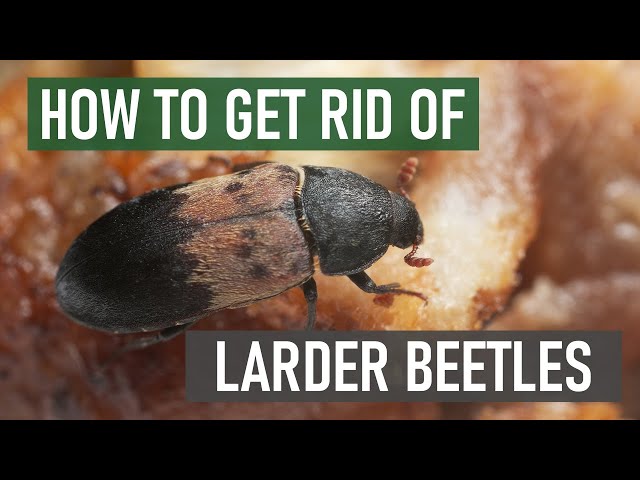


Eliminating persistent pantry pests using natural, non-chemical methods involves a multi-pronged approach focusing on sanitation, exclusion, and targeted treatments. This strategy prioritizes removing existing infestations, preventing future occurrences, and utilizing readily available household materials. Successfully addressing these infestations requires diligence and a thorough understanding of the pest’s life cycle and habits. Implementing these techniques can create a pest-free pantry while minimizing exposure to harsh chemicals.
how to get rid of larder beetles home remedies
The first step in controlling larder beetle infestations is a thorough cleaning of the pantry and surrounding areas. Remove all food items, including packaged goods, and inspect them for signs of infestation. Discard any infested products in sealed bags to prevent further spread. Vacuum shelves, cracks, and crevices to remove larvae, pupae, and adult beetles. Pay particular attention to areas where food particles may have accumulated.
Next, wash pantry shelves and walls with a solution of hot, soapy water. Vinegar can be added for extra cleaning power and to deter future infestations. Ensure all surfaces are thoroughly dried before restocking the pantry. This step removes any remaining food debris and beetle eggs, disrupting their life cycle.
Bay leaves are a natural deterrent for larder beetles. Place dried bay leaves on shelves, in cracks, and near food storage containers. The pungent aroma repels the beetles, discouraging them from settling in the pantry. This simple remedy can help prevent future infestations.
Another effective home remedy is using sticky traps. Place these traps strategically around the pantry and other areas where beetles have been observed. The traps capture adult beetles, helping to monitor the infestation and reduce their numbers. Regularly check and replace the traps as needed.
Proper food storage is crucial in preventing larder beetle infestations. Store dry goods, such as flour, cereals, and pet food, in airtight containers. This prevents beetles from accessing food sources and laying eggs. Regularly inspect stored food for signs of infestation.
Caulk any cracks or crevices in walls, floors, and around windows and doors. This prevents beetles from entering the home and accessing the pantry. Sealing entry points is a critical step in long-term pest control.
Regularly vacuum and clean areas where pet food is stored and consumed. Pet food can be a significant attractant for larder beetles. Promptly clean up spilled food and crumbs to eliminate food sources for the beetles.
Consider using pheromone traps to monitor and control larder beetle populations. These traps attract male beetles, disrupting their mating cycle and reducing the overall population. Pheromone traps are particularly effective in combination with other control methods.
Dispose of infested food items immediately and properly. Do not compost infested materials, as this can spread the infestation. Seal infested items in plastic bags before discarding them in the trash.
Persistence is key in eliminating larder beetle infestations. Regularly monitor the pantry and surrounding areas for signs of beetles. Continue implementing preventative measures even after the infestation appears to be under control to prevent future occurrences.
Important Points to Consider
-
Sanitation:
Maintaining a clean pantry is the first line of defense against larder beetles. Regularly cleaning shelves, floors, and surrounding areas removes food debris and beetle eggs, disrupting their life cycle. Crumbs and spills should be addressed immediately. Thorough cleaning also helps identify potential entry points for the beetles.
-
Food Storage:
Proper food storage is essential in preventing larder beetle infestations. Storing dry goods in airtight containers prevents beetles from accessing food sources and laying eggs. Regularly inspect stored food for signs of infestation and discard any contaminated products. This practice also helps maintain food freshness.
-
Exclusion:
Sealing cracks and crevices in walls, floors, and around windows and doors prevents beetles from entering the home and accessing the pantry. This step is crucial in long-term pest control and requires regular inspection and maintenance. Caulking and weather stripping are effective tools for sealing entry points.
-
Natural Deterrents:
Utilizing natural deterrents like bay leaves can help repel larder beetles. Placing dried bay leaves in strategic locations within the pantry discourages beetles from settling. Other natural deterrents, such as peppermint oil, can also be effective.
-
Traps:
Sticky traps and pheromone traps can be effective tools for monitoring and controlling larder beetle populations. Sticky traps capture adult beetles, while pheromone traps disrupt their mating cycle. Regularly checking and replacing traps is important for effective control.
-
Pet Food Management:
Pet food can be a significant attractant for larder beetles. Store pet food in airtight containers and clean up spilled food and crumbs promptly. Regularly cleaning pet food bowls and surrounding areas helps eliminate food sources for the beetles.
-
Persistence:
Eliminating larder beetle infestations requires diligence and persistence. Regularly monitor the pantry and surrounding areas for signs of beetles and continue implementing preventative measures even after the infestation appears to be under control. This long-term approach is essential for preventing future infestations.
Tips for Preventing Larder Beetles
-
Regularly clean the pantry:
A clean pantry is a less inviting environment for larder beetles. Regularly vacuuming, wiping down shelves, and cleaning up spills can significantly reduce the risk of infestation. Pay attention to hard-to-reach areas where crumbs and debris can accumulate. Regular cleaning also helps maintain overall kitchen hygiene.
-
Store food in airtight containers:
Airtight containers create a barrier that prevents larder beetles from accessing food sources. This is a crucial step in preventing infestations and maintaining food freshness. Choose containers made of durable materials that can withstand regular use.
-
Inspect food packages before bringing them home:
Carefully inspect food packages for any signs of damage or infestation before purchasing them. This can prevent bringing infested products into your home. Look for small holes, tears, or any signs of insect activity.
-
Seal cracks and crevices:
Sealing entry points is essential in preventing larder beetles from entering your home. Caulk cracks and crevices in walls, floors, and around windows and doors. This also helps improve energy efficiency by reducing drafts.
-
Dispose of infested food immediately:
If you discover infested food items, immediately seal them in plastic bags and discard them in the trash. Do not compost infested materials, as this can spread the infestation. Prompt disposal prevents the infestation from spreading to other food items.
Understanding the larder beetle’s life cycle is crucial for effective control. Adult beetles lay eggs near food sources, and the larvae feed on a variety of dried animal products. By disrupting their life cycle through cleaning and food storage practices, you can effectively reduce their population.
Larder beetles are attracted to a variety of food sources, including dried meats, pet food, cheeses, and spices. Storing these items in airtight containers is essential in preventing infestations. Regularly inspect stored food for signs of infestation, even if it’s in sealed containers.
Vacuuming is a key component of larder beetle control. Thoroughly vacuum pantry shelves, cracks, crevices, and surrounding areas to remove larvae, pupae, and adult beetles. Pay particular attention to areas where food particles may have accumulated.
Natural remedies, such as bay leaves and peppermint oil, can be effective deterrents for larder beetles. These natural solutions offer a safe and environmentally friendly approach to pest control. Experiment with different natural repellents to find what works best for your situation.
Early detection is crucial in managing larder beetle infestations. Regularly monitor the pantry and surrounding areas for signs of beetles. The sooner you identify an infestation, the easier it is to control.
Professional pest control services may be necessary for severe infestations. Consult with a qualified pest control professional to discuss treatment options and preventative measures. They can provide expert advice and tailored solutions for your specific situation.
Preventative measures are essential in long-term larder beetle control. Even after an infestation has been eliminated, continue implementing preventative measures to prevent future occurrences. Regular cleaning, proper food storage, and sealing entry points are crucial preventative steps.
Educating household members about larder beetle control is important in maintaining a pest-free environment. Encourage everyone to participate in preventative measures, such as proper food storage and cleaning practices. This collaborative approach can significantly reduce the risk of infestations.
Larder beetles can be a persistent pest, but with diligence and the right approach, they can be effectively controlled. By implementing a combination of preventative measures and home remedies, you can create a pest-free pantry and protect your food from infestation.
Remember, consistency is key in larder beetle control. Regularly implement preventative measures and monitor for signs of infestation to maintain a pest-free environment. By taking proactive steps, you can protect your pantry and enjoy peace of mind.
Frequently Asked Questions
John: How can I tell if I have larder beetles?
Professional: Larder beetles are small, oval-shaped insects, typically brown or black with a distinctive yellow band across their back. Signs of infestation include live beetles, larvae (small, hairy worms), and damage to food packaging. You may also find shed skins or fecal pellets near infested food items.
Sarah: Are larder beetles harmful?
Professional: While larder beetles don’t bite or transmit diseases, they can contaminate food with their presence, shed skins, and fecal matter. Consuming infested food can cause digestive upset. Their presence can also be a nuisance and create an unsanitary environment.
Ali: How do larder beetles get into my home?
Professional: Larder beetles can enter homes through cracks and crevices in walls, floors, and around windows and doors. They are also often brought in on infested food packages, especially pet food and dried animal products.
Maria: What is the best way to prevent larder beetles?
Professional: The most effective prevention involves storing food in airtight containers, regularly cleaning the pantry and surrounding areas, sealing cracks and crevices, and inspecting food packages before bringing them home. Using natural deterrents like bay leaves can also help repel beetles.
David: What should I do if I find larder beetles in my pantry?
Professional: Immediately remove all food items from the pantry and inspect them for signs of infestation. Discard any infested products in sealed bags. Thoroughly clean the pantry shelves, walls, and floors with hot, soapy water. Implement preventative measures to prevent future infestations.
Youtube Video: