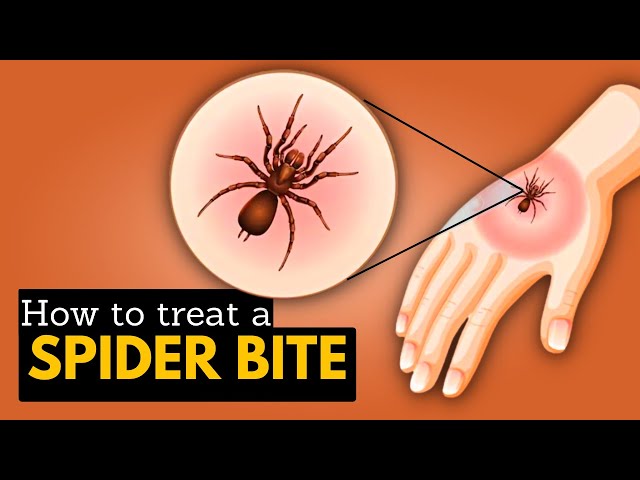


Post-envenomation care focuses on minimizing venom spread and managing symptoms. For instance, a person bitten by a venomous spider might elevate the affected limb and apply a cold compress. Prompt medical evaluation is essential, especially if the spider is identified as dangerous or symptoms worsen. This helps determine the necessity of antivenom and other supportive treatments, preventing potential complications. Accurate identification of the spider, if possible, significantly aids in appropriate medical management.
What to Do After a Spider Bite
Experiencing a spider bite can be alarming, and knowing the correct course of action is crucial. The initial response often determines the severity of the outcome, particularly with venomous species. Remaining calm and taking swift action can help mitigate potential complications.
The first step is to thoroughly wash the bite area with soap and water. This helps remove any venom or bacteria present on the skin’s surface, reducing the risk of infection. A clean bite wound heals more efficiently and presents fewer complications.
Applying a cold compress to the bite can help reduce swelling and pain. The cold constricts blood vessels, limiting venom spread and providing immediate relief. This should be done for 10-15 minutes at a time, several times a day.
If the bite is on a limb, elevate it above the heart. This further restricts venom movement throughout the body. Keeping the limb elevated also helps minimize swelling and discomfort.
Over-the-counter pain relievers, such as ibuprofen or acetaminophen, can help manage pain and inflammation. Follow the recommended dosage instructions on the medication packaging. Consult a healthcare professional if pain persists or intensifies.
Closely monitor the bite area for any signs of infection, such as increased redness, swelling, pus, or red streaks extending from the bite. If any of these signs appear, seek medical attention immediately. Early intervention can prevent serious complications.
If possible, try to capture the spider or take a clear picture of it. This can help medical professionals identify the species and determine the appropriate treatment. Accurate identification is especially important for venomous spiders.
Seeking medical attention is always recommended, even if the bite seems minor. Medical professionals can assess the severity of the bite and provide appropriate treatment, including antivenom if necessary. This is particularly crucial for children, the elderly, and individuals with compromised immune systems.
Prevention is key to avoiding spider bites. Regularly cleaning and decluttering living spaces can reduce spider habitats. Wearing gloves when working outdoors or in areas where spiders might be present offers additional protection. Shaking out shoes and clothing before wearing them can also prevent unexpected encounters.
Important Points to Remember
- Clean the bite: Wash the affected area thoroughly with soap and water to remove any venom or bacteria. This helps prevent infection and promotes healing. Cleaning the bite is the first and most crucial step in post-bite care. Ensure the area is rinsed well and patted dry with a clean cloth.
- Apply a cold compress: A cold compress helps reduce swelling and pain by constricting blood vessels and limiting venom spread. Applying it for 15 minutes at a time, several times a day, can provide significant relief. Ensure the compress is wrapped in a cloth to avoid direct skin contact with ice.
- Elevate the affected area: If the bite is on a limb, elevating it above the heart helps restrict venom movement and minimize swelling. This simple measure can significantly improve comfort and recovery time. Ensure the limb is comfortably supported while elevated.
- Pain management: Over-the-counter pain relievers like ibuprofen or acetaminophen can help manage pain and inflammation. Follow the recommended dosage instructions. Consult a doctor if pain persists or intensifies.
- Monitor for infection: Watch for signs of infection such as increased redness, swelling, pus, or red streaks. Seek immediate medical attention if these signs appear. Early intervention is crucial to prevent serious complications.
- Identify the spider: If possible, try to capture the spider or take a clear picture of it. This can help medical professionals identify the species and determine the appropriate treatment. Knowing the type of spider can significantly influence the course of treatment.
- Seek medical attention: Even if the bite seems minor, seeking medical attention is always recommended. Medical professionals can assess the bite’s severity and provide appropriate treatment, including antivenom if needed. Prompt medical evaluation is particularly important for children, the elderly, and individuals with compromised immune systems.
- Prevent future bites: Regularly cleaning and decluttering living spaces can reduce spider habitats. Wearing gloves when working outdoors or in areas where spiders might be present can offer additional protection. Shaking out shoes and clothing before wearing them can also prevent unexpected encounters. Taking proactive measures can significantly reduce the risk of spider bites.
- Stay calm: Panicking can increase heart rate and potentially spread venom more quickly. Remaining calm allows for clear thinking and appropriate action. Focusing on the necessary steps can help manage the situation effectively.
- Do not attempt home remedies: Avoid applying home remedies or cutting the bite area, as these can worsen the situation. Stick to the recommended first-aid measures and seek professional medical advice. Untested remedies can introduce infection or delay appropriate treatment.
Tips for Handling Spider Bites
- Keep the bite area clean and dry: This helps prevent infection and promotes healing. Avoid covering the bite with airtight bandages, as this can create a moist environment conducive to bacterial growth. Clean the area gently with mild soap and water daily.
- Avoid scratching the bite: Scratching can break the skin and introduce bacteria, leading to infection. Keep the area clean and covered if necessary to reduce the urge to scratch. If itching is severe, consult a doctor for appropriate anti-itch medication.
- Stay hydrated: Drinking plenty of fluids helps flush out toxins and supports the body’s natural healing processes. Water is the best choice, but other clear fluids are also beneficial. Staying hydrated is especially important in cases of venomous spider bites.
- Rest and avoid strenuous activity: Resting allows the body to focus on healing. Avoid activities that could increase heart rate and potentially spread venom more quickly. Gradually resume normal activities as symptoms subside.
- Follow medical advice: Adhere to any instructions and prescribed medications provided by healthcare professionals. This is crucial for effective treatment and a full recovery. Do not hesitate to contact your doctor if you have any questions or concerns.
Spider bites can range from mild, localized reactions to severe systemic effects, depending on the spider species and individual sensitivity. Recognizing the signs and symptoms is crucial for prompt and appropriate treatment. Knowing the local spider population can also be helpful in assessing the potential risks.
Venomous spiders, such as the black widow and brown recluse, inject venom that can cause a range of symptoms, from localized pain and swelling to muscle cramps, nausea, and difficulty breathing. These symptoms require immediate medical attention. Antivenom is available for certain venomous spider bites and can be life-saving.
Non-venomous spider bites typically cause mild reactions, such as redness, itching, and minor pain. These symptoms can often be managed with basic first-aid measures. However, if symptoms worsen or persist, seeking medical advice is still recommended. Even seemingly harmless bites can sometimes lead to allergic reactions or secondary infections.
Children and the elderly are particularly vulnerable to the effects of spider bites. Their immune systems may not be as robust, making them more susceptible to severe reactions. Close monitoring and prompt medical care are essential for these age groups. Educating children about spider safety can also help prevent bites.
Preventing spider bites involves maintaining a clean and clutter-free environment, both indoors and outdoors. Regularly cleaning and vacuuming can remove spiders and their webs. Wearing protective clothing when working in areas where spiders are likely to be present can also reduce the risk of bites. Sealing cracks and crevices in walls and windows can prevent spiders from entering homes.
Educating oneself about the different types of spiders found in one’s area can be beneficial. Knowing which spiders are venomous and their potential dangers can help individuals take appropriate precautions. Resources like online databases and local extension offices can provide valuable information about spider identification and bite prevention.
If bitten by a spider, try to remember its appearance. This information can be helpful for medical professionals in identifying the species and determining the appropriate treatment. If possible, capturing the spider or taking a clear picture of it can aid in identification. However, prioritizing safety is paramount; do not attempt to capture a spider if it poses a risk.
Spider bites can be a concerning experience, but with proper knowledge and prompt action, most cases can be managed effectively. Understanding the necessary first-aid measures and seeking appropriate medical care can significantly minimize potential complications. Prevention remains the best approach, and taking proactive steps to reduce spider encounters can help avoid bites altogether.
Frequently Asked Questions
John: My child was bitten by a spider. What should I do?
Professional: Clean the bite with soap and water, apply a cold compress, and elevate the affected area if possible. Seek immediate medical attention, especially for children, as their reactions can be more severe. Try to capture the spider or take a picture for identification.
Sarah: How can I tell if a spider bite is venomous?
Professional: Identifying a venomous spider bite can be challenging. Look for symptoms like increasing pain, redness, swelling, muscle cramps, nausea, and difficulty breathing. Seek medical attention immediately if any of these symptoms occur. Even if you’re unsure, it’s always best to err on the side of caution and consult a medical professional.
Ali: I think a brown recluse bit me. What should I do?
Professional: Brown recluse bites can be serious. Clean the bite, apply a cold compress, elevate the area, and seek immediate medical attention. Try to capture the spider or take a photo for identification. Medical professionals can determine if antivenom is necessary.
Maria: How can I prevent spider bites in my home?
Professional: Regularly clean and declutter your home, paying attention to corners, closets, and storage areas. Seal cracks and crevices in walls and windows. Shake out clothing and shoes before wearing them. Consider using pest control measures to reduce spider populations.
David: What if I’m allergic to spider bites?
Professional: If you know you’re allergic to spider bites, seek immediate medical attention even if the bite seems minor. Allergic reactions can be severe and life-threatening. Inform medical personnel about your allergy so they can provide appropriate treatment, which may include epinephrine.
Youtube Video: