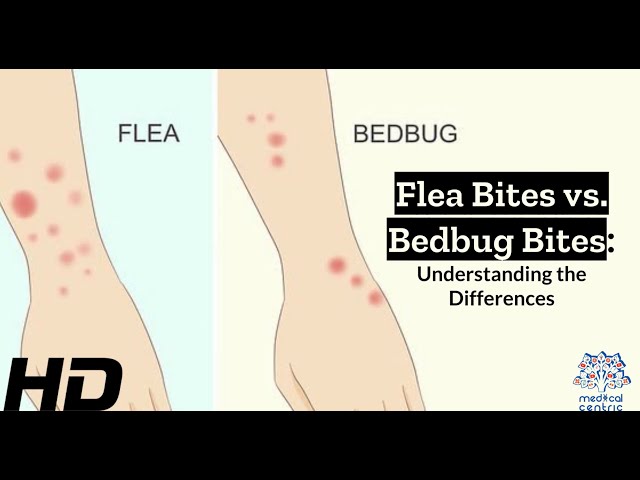


Addressing infestations of tiny, difficult-to-detect biting pests requires a multi-pronged approach. These pests, often mites, or certain insects, can cause significant discomfort and skin irritation. Identifying the specific culprit is the first step in effective management, which may involve environmental modifications, targeted treatments, and preventative measures. Proper identification often requires careful observation of bite patterns and, sometimes, consultation with a pest control professional or dermatologist.
For example, bird or rodent mites might infest a home after their hosts nest nearby. Another example includes dust mites, microscopic arachnids that thrive in warm, humid environments and feed on dead skin cells, triggering allergic reactions in some individuals. Their presence necessitates meticulous cleaning and humidity control.
solution for the invisible biting bugs
Determining the source of these bites often involves a process of elimination. Start by thoroughly cleaning the affected area and bedding. This reduces the presence of potential irritants and helps isolate the cause. Vacuuming regularly, particularly mattresses, carpets, and upholstered furniture, removes dust mites and other microscopic pests. Washing bedding in hot water (at least 130F) kills mites and removes allergens.
Inspecting the home for potential pest entry points is crucial. Seal cracks and crevices in walls, windows, and doors to prevent insects and other arthropods from entering. Check for signs of bird or rodent nests near the home, as these can harbor mites. Removing these nests and deterring future nesting can significantly reduce the risk of infestation.
Consider using specialized mattress and pillow encasements designed to prevent dust mites from penetrating. These encasements create a barrier, preventing mites from accessing the bedding and reducing exposure to allergens. Regularly washing these encasements helps maintain their effectiveness.
Controlling humidity levels within the home can also help manage infestations. Dust mites thrive in humid environments, so using a dehumidifier, especially in bedrooms and basements, can create an unfavorable environment for them. Aim for a relative humidity level below 50% to discourage mite growth.
Certain insecticides, specifically those labeled for dust mites or the suspected pest, can be used to treat infested areas. Follow the instructions carefully and ensure adequate ventilation during and after application. Consider consulting a pest control professional for severe infestations or if DIY methods prove ineffective.
Natural remedies, such as essential oils like tea tree oil or eucalyptus oil, may offer some relief from bites and deter certain pests. However, it’s important to dilute these oils properly before applying them to the skin, as they can cause irritation. Furthermore, their effectiveness in eliminating infestations is limited.
If bites persist or worsen despite implementing these measures, consulting a dermatologist or allergist is recommended. They can identify the cause of the bites and recommend appropriate treatment for any skin reactions. They can also perform allergy testing to determine if an allergic reaction to specific pests is contributing to the symptoms.
Maintaining a clean and clutter-free environment is essential for preventing future infestations. Regular cleaning, vacuuming, and laundering of bedding minimize the accumulation of dust, dander, and other organic matter that attracts pests. This also helps reduce the overall allergen load in the home.
Finally, be patient and persistent. Eliminating invisible biting bugs can take time and effort. Combining multiple strategies and consistently implementing preventative measures is often the most effective approach to achieving long-term control and relief from these irritating pests.
Important Points
- Identify the source: Determining the specific pest causing the bites is crucial for effective treatment. This may involve careful observation, trapping, or consulting a professional. Knowing the pest’s habits and lifecycle informs the best control strategies.
- Thorough cleaning: Regularly cleaning and vacuuming, especially in bedrooms and living areas, removes dust, dander, and other organic matter that attracts pests. This also helps reduce the overall allergen load, which can exacerbate skin reactions.
- Humidity control: Maintaining a relative humidity below 50% creates an unfavorable environment for dust mites and other moisture-loving pests. Using a dehumidifier, particularly in damp areas, can significantly reduce their populations.
- Bedding management: Washing bedding in hot water and using allergen-proof encasements for mattresses and pillows creates a barrier against dust mites and other allergens. This reduces exposure and minimizes bite reactions.
- Pest-proofing the home: Sealing cracks and crevices in walls, windows, and doors prevents insects and other arthropods from entering the home. This proactive approach can significantly reduce the risk of infestations.
- Targeted treatments: Using insecticides specifically designed for the identified pest can effectively eliminate infestations. Follow product instructions carefully and ensure adequate ventilation during and after application.
- Professional help: For severe infestations or if DIY methods prove ineffective, consulting a pest control professional is recommended. They have the expertise and tools to identify and effectively manage pest problems.
- Natural remedies: Certain essential oils, such as tea tree oil or eucalyptus oil, can offer some relief from bites and may deter some pests. However, their effectiveness in eliminating established infestations is limited.
- Consult a dermatologist: If bites persist or worsen despite other measures, consulting a dermatologist or allergist is important. They can identify the cause of the bites and recommend appropriate treatment for skin reactions.
- Ongoing maintenance: Maintaining a clean and clutter-free environment, along with regular cleaning and preventative measures, is crucial for long-term control. Consistency is key to preventing future infestations.
Tips and Details
- Inspect regularly: Regularly inspect your home for signs of pests, including droppings, shed skin, or nests. Early detection can prevent infestations from becoming established.
Regular inspections, even when there are no apparent signs of pests, are crucial for preventative pest control. Look for droppings, shed skin, or other evidence of pest activity in areas like pantries, under sinks, and in closets. Early detection can significantly reduce the time and effort required to address an infestation. Pay close attention to areas where pets sleep or frequent, as they can inadvertently bring pests into the home.
Vacuum frequently: Vacuuming carpets, rugs, and upholstered furniture regularly removes dust mites, pet dander, and other allergens that can attract pests. Use a vacuum cleaner with a HEPA filter to effectively trap microscopic particles.
Frequent vacuuming is essential for removing dust mites, pet dander, and other microscopic allergens that can exacerbate skin reactions to bites. Focus on areas where dust and debris accumulate, such as carpets, rugs, upholstered furniture, and curtains. Using a vacuum cleaner equipped with a HEPA (high-efficiency particulate air) filter ensures that even the smallest particles are trapped, preventing them from being recirculated back into the air. Empty the vacuum cleaner bag or canister regularly to maintain its effectiveness.
Wash bedding weekly: Wash bedding, including sheets, pillowcases, and blankets, in hot water (at least 130F) weekly to kill dust mites and remove allergens. This reduces exposure to irritants and helps prevent bite reactions.
Washing bedding in hot water at least once a week is essential for killing dust mites and removing other allergens that can contribute to skin irritation and bite reactions. Hot water, at a temperature of at least 130F, effectively denatures the proteins that cause allergic reactions. Additionally, using a dryer on high heat further reduces the allergen load. Consider using allergen-proof encasements for mattresses and pillows to create an additional barrier against dust mites and other allergens.
Understanding the specific type of biting pest is crucial for effective treatment. Different pests have different habits and life cycles, requiring tailored control strategies. Consulting a pest control professional can be invaluable in identifying the culprit and developing a targeted treatment plan. This ensures that the chosen methods are appropriate and effective for the specific pest involved.
Environmental control plays a significant role in managing invisible biting bugs. Reducing humidity, eliminating clutter, and sealing entry points create an environment less conducive to pest activity. These preventative measures can significantly reduce the risk of infestations and minimize the need for chemical treatments. Regular cleaning and vacuuming further contribute to a pest-free environment.
Bites from unseen pests can cause a range of reactions, from mild itching to severe skin irritation. In some cases, individuals may develop allergic reactions, leading to more pronounced symptoms. If bites persist or worsen, seeking medical advice from a dermatologist or allergist is crucial. They can provide appropriate treatment and address any underlying allergic sensitivities.
Protecting oneself from bites can involve wearing protective clothing, especially when spending time outdoors or in areas prone to infestations. Using insect repellents can also deter biting insects. However, it’s important to choose repellents appropriate for the situation and follow the instructions carefully. Some repellents may not be suitable for use on young children or pregnant women.
Integrated pest management (IPM) is a holistic approach that combines various methods to control pests while minimizing the use of chemical treatments. IPM focuses on preventative measures, such as environmental modifications and targeted treatments, to address the root causes of infestations. This approach is more sustainable and reduces the potential risks associated with chemical pesticides.
Educating oneself about common household pests and their habits is essential for effective prevention and control. Knowing where pests tend to hide, what they feed on, and how they reproduce empowers individuals to take proactive steps to prevent infestations. This knowledge can also help in identifying the source of bites and implementing appropriate control measures.
Regular monitoring for pest activity is essential, even after an infestation has been addressed. This involves regularly inspecting for signs of pests and implementing preventative measures to deter their return. Ongoing vigilance is crucial for maintaining a pest-free environment and preventing future infestations. This can include setting traps, inspecting potential entry points, and maintaining a clean environment.
Invisible biting bugs can be a frustrating and challenging problem to address. However, by implementing a combination of preventative measures, targeted treatments, and seeking professional advice when needed, individuals can effectively manage these pests and reclaim their homes from these unseen irritants. Patience and persistence are key to achieving long-term control and relief from bites.
FAQ
John: I’ve been getting bitten at night, but I can’t see any bugs. What could be biting me?
Professional: Several pests bite at night, including bed bugs, mites, and fleas. A thorough inspection of your bedding and sleeping area is crucial. Look for signs of these pests, such as droppings, shed skin, or live insects. If you can’t identify the culprit, consulting a pest control professional is recommended.
Sarah: I think I have dust mites. What’s the best way to get rid of them?
Professional: Managing dust mites involves regular cleaning, including vacuuming carpets, rugs, and upholstered furniture with a HEPA filter vacuum. Washing bedding in hot water (at least 130F) weekly is essential. Reducing humidity levels with a dehumidifier can also help create an environment less favorable to dust mites.
Ali: I’ve tried everything, but I’m still getting bitten. What should I do?
Professional: If you’ve exhausted DIY methods and are still experiencing bites, it’s time to consult a professional. A pest control professional can identify the source of the bites and recommend a tailored treatment plan. A dermatologist or allergist can also help if you’re experiencing skin reactions or suspect an allergic component to the bites.
Maria: How can I prevent these biting bugs from coming back?
Professional: Prevention involves ongoing maintenance. Regular cleaning, vacuuming, and laundering bedding are crucial. Sealing cracks and crevices in your home can prevent pests from entering. Controlling humidity levels and removing clutter also creates an environment less conducive to pest activity.
Youtube Video: